Qatari Foreign Ministry: Stopping Iranian aggression is a prerequisite for any talks

Qatar's Foreign Ministry stance on talks with Iran
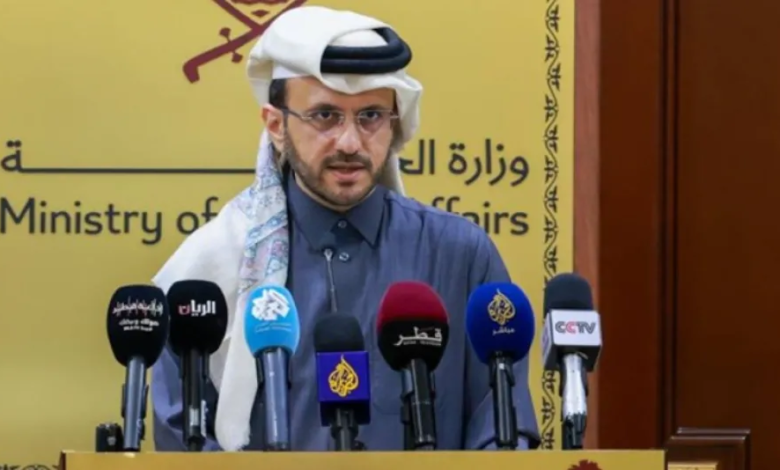
In a significant diplomatic development reflecting Qatar's commitment to regional stability, the Qatari Ministry of Foreign Affairs reiterated its clear and firm stance that Iran must cease all forms of aggression and interference as a fundamental and prerequisite for engaging in any bilateral or regional talks or dialogues. This statement comes amidst escalating geopolitical tensions in the Middle East, underscoring the urgent need for de-escalation and a return to reason and diplomacy.
General context and historical background of Gulf-Iranian relations
Historically, relations between the Gulf Cooperation Council (GCC) states and the Islamic Republic of Iran have been characterized by periods of tension and rapprochement, as maritime security in the Arabian Gulf and the Strait of Hormuz has always been a vital pillar of the global economy. The past few years have witnessed numerous incidents, including attacks on commercial vessels and oil installations, which have sparked widespread international concern. While Qatar has consistently played a trusted mediating role in many regional and international issues and has maintained open channels of communication with Tehran, this latest stance underscores that effective dialogue cannot be fruitful while security threats and attacks destabilize the region persist.
The importance of the event and its expected impact on the regional and international scene
The Qatari Foreign Ministry's statement carries significant strategic importance, sending a clear message that regional security is indivisible and that diplomacy requires a secure environment free from military threats. Regionally , this stance reinforces Gulf solidarity and underscores the shared destiny of the region's nations in confronting security challenges. It also places the onus on the Iranian leadership to demonstrate good faith through concrete, practical steps, namely de-escalation and respect for the sovereignty of neighboring states.
At the international level , this stance is widely welcomed by the international community and major powers seeking to ensure the continued and secure flow of global energy supplies. Any escalation in the Gulf region directly impacts global oil and gas markets; therefore, demanding a halt to the attacks is a necessary step to protect the global economy from potential shocks.
The future of dialogue and diplomacy in the region
In conclusion, this Qatari stance does not signify a permanent closure of the door to dialogue, but rather a redirection of diplomacy towards sound and robust foundations. Establishing peace and stability in the Middle East requires a genuine commitment to the principles of good neighborliness, non-interference in the internal affairs of states, and resorting to peaceful solutions to resolve conflicts. Hope remains that the parties involved will respond to calls for de-escalation, paving the way for constructive negotiations that serve the interests of all the region's peoples and spare them the ravages of conflict.