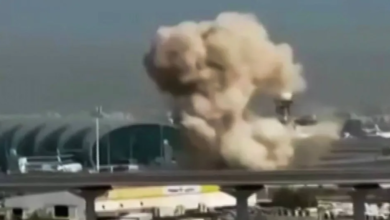

Qatar successfully repels missile attack
In a significant security development reflecting escalating tensions in the Middle East, Qatar's air defense systems announced the successful interception of five ballistic missiles launched from Iranian territory. This exceptional event presents the region with new security challenges and underscores the high level of effectiveness of Qatar's defense capabilities in protecting its airspace and vital infrastructure.
Qatari defense capabilities and interception systems
Qatar possesses one of the most advanced air defense systems in the region, having invested billions of dollars over the past decade to bolster its missile shield. The Qatari armed forces rely primarily on the advanced American Patriot PAC-3 systems, in addition to the Terminal High Altitude Area Defense (THAAD) missile defense system. These sophisticated systems are specifically designed to detect, track, and destroy short- and medium-range ballistic missiles both inside and outside the atmosphere, which explains the precise success in neutralizing the five missiles before they reached their strategic targets.
General context and historical background of the tensions
These developments come amid a complex geopolitical landscape in the Arabian Gulf region. Historically, the Gulf Cooperation Council (GCC) states have sought to build integrated air defense networks to counter growing threats, particularly given Iran's possession of the largest arsenal of ballistic missiles and drones in the Middle East. While Qatari-Iranian relations have been characterized at various times by diplomacy and economic cooperation, especially in managing the shared North/South Pars gas field, this development represents a dangerous shift that could redraw the map of alliances and security arrangements in the region.
Strategic importance and expected impact
Local and regional impact
Domestically, this successful intercept demonstrates the readiness of Qatari forces to protect vital infrastructure, including oil and gas facilities and population centers. It also underscores the importance of the US military presence at Al Udeid Air Base, the largest US military base in the Middle East, which plays a pivotal role in joint security and defense coordination. Regionally, this event is expected to prompt neighboring countries to raise their alert levels and accelerate efforts to establish a unified Gulf missile shield.
International and economic repercussions
Internationally, attention is focused on global energy markets, which are highly sensitive to any security tensions in the Gulf. Qatar is one of the world's largest exporters of liquefied natural gas (LNG), and any threat to its national security is a direct threat to global energy security, particularly for European and Asian countries that rely on Qatari supplies. This incident is likely to provoke a broad international response, with calls for restraint and avoidance of military escalation that could lead to open conflict, harming the global economy and maritime traffic in the Strait of Hormuz.