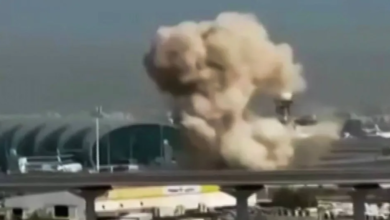

In a significant security development, it was announced that air defense systems successfully thwarted a drone attack targeting Al Udeid Air Base in Qatar. This incident underscores the growing security challenges facing vital military installations in the Middle East, amidst escalating regional tensions.
Details of the incident and defensive readiness
According to available information, the advanced defense systems deployed around the base successfully detected and engaged hostile aerial targets with high efficiency before they could achieve their objectives or cause any material or human damage. This successful interception reflects the high level of readiness and vigilance of the joint forces stationed at the base, who rely on the latest radar and air defense technologies to counter such unconventional threats.
Al-Udeid Air Base: Strategic Importance and Historical Background
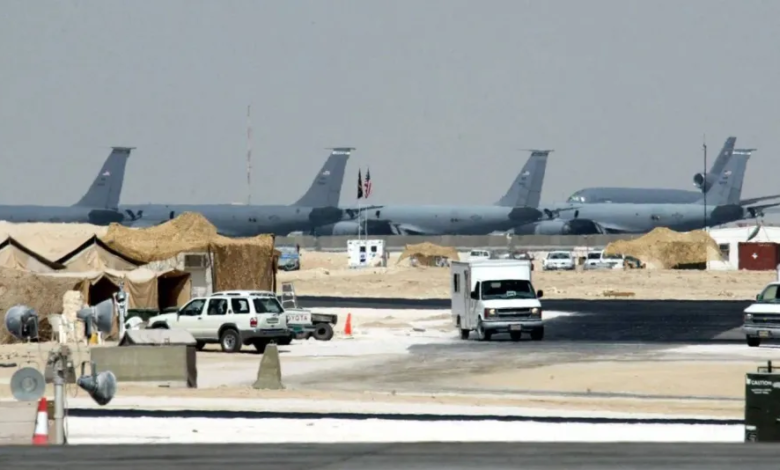
Al Udeid Air Base holds paramount strategic importance, not only for Qatar but also for regional and international security. Located southwest of Doha, the capital, it is the largest US military base in the Middle East. Close military cooperation between the two countries dates back to the beginning of the millennium, when the forward headquarters of US Central Command (CENTCOM) and US Air Forces Central Command relocated there.
The base hosts thousands of US and coalition troops and serves as a nerve center for air and logistical operations in the region. It features runways capable of accommodating the largest military aircraft and advanced command and control facilities that manage operations in multiple theaters, including Iraq, Syria, and formerly Afghanistan.
Regional context and repercussions of the event
This attack cannot be separated from the broader context of the region. Amid ongoing geopolitical tensions, drones have become a preferred weapon for many non-state actors and armed groups due to their low cost and maneuverability. This incident coincides with a series of similar attacks targeting military bases in Iraq, Syria, and Jordan, indicating an escalating pattern aimed at pressuring the foreign military presence in the region.
Expected effects
This incident is expected to lead to enhanced security measures around vital installations in the Arabian Gulf and increased security and military coordination between the Gulf Cooperation Council (GCC) states and their international allies. It also underscores the need for continued investment in anti-drone air defense technology, which has become a genuine challenge to national security. Diplomatically, this development may prompt intensified diplomatic efforts to de-escalate tensions and prevent the region from sliding into wider confrontations that could threaten the stability of energy supplies and global trade routes.