Qatar intercepts Iranian missile with Patriot missile system amid regional tensions

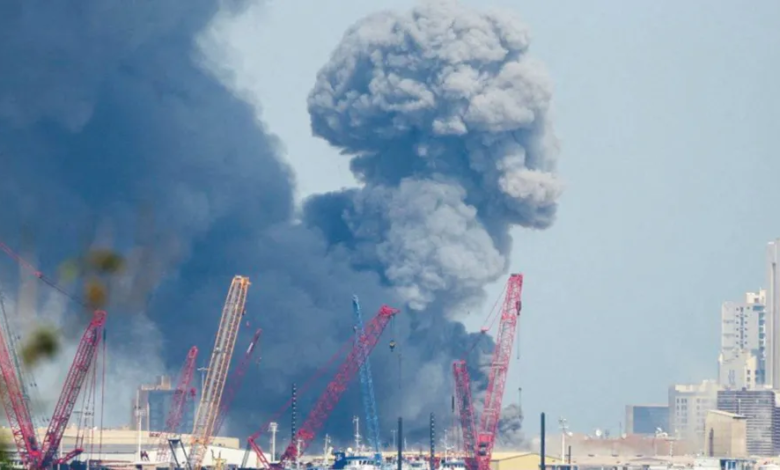
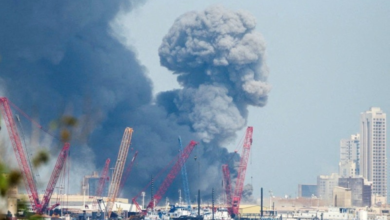
In a significant development amid the rapidly unfolding events in the Middle East, a senior official at the Qatari Ministry of Defense confirmed that the armed forces successfully intercepted and downed an Iranian missile crossing Qatari airspace, using the advanced Patriot air defense system. This incident comes amid heightened tensions in the region and coincides with widespread precautionary measures, including the closure of airspace in several neighboring countries, to ensure the safety of civil aviation.
Details of the interception and air defense system
Qatari media outlets, citing a military source, reported that Qatari air defense monitoring and tracking systems dealt with the aerial threat with high professionalism, activating the American-made MIM-104 Patriot system, which forms the backbone of air defenses in several Gulf Cooperation Council (GCC) countries. This system is distinguished by its superior ability to intercept ballistic and tactical missiles at various altitudes, reflecting the high level of readiness of Qatari forces in protecting their national airspace.
Context of regional tensions and airspace closures
This event cannot be separated from the tense regional context, where the region is witnessing an exchange of threats and direct and indirect military strikes between influential regional powers. Cross-border missiles typically follow trajectories that cross the airspace of multiple countries to reach their targets, presenting the countries in their path with complex security and defense challenges that compel them to activate rules of engagement to protect their territories and citizens.
In a related development, this operation coincided with successive announcements from countries in the region, such as Iraq, Jordan, and Lebanon, regarding the temporary closure of their airspace and the suspension of air traffic. These measures are standard security protocols followed globally in cases of active military conflict to protect civilian aircraft and passengers from the risks of indiscriminate bombing or aerial interception, reflecting the seriousness of the current situation and its direct impact on air traffic and navigation in one of the world's busiest air corridors.
Strategic and security dimensions
This event carries significant strategic implications for the collective security system in the Arabian Gulf. The possession by Gulf states, including Qatar, of advanced defense systems capable of countering ballistic threats is a cornerstone of maintaining regional stability. It also underscores the importance of military and technical cooperation with international allies to ensure an effective protective umbrella against escalating threats.
Observers believe that the recurrence of such incidents may prompt greater security coordination among the Gulf Cooperation Council (GCC) states to unify monitoring and early warning efforts, especially given the growing capabilities of missiles and drones in the region. The primary concern remains containing the escalation and preventing the region from sliding into open conflict, which could have disastrous repercussions for global security and the economy, particularly concerning energy markets and supply lines.