Qatar announces it intercepted a missile attack: Implications and implications of the event

Defensive success in protecting Qatari airspace
The State of Qatar announced the successful interception of a missile attack by its air defense systems, a move that underscores the high level of readiness of the Qatari Armed Forces in dealing with emerging security threats. This announcement reflects the significant development of Qatari military capabilities in recent years and highlights the vital role played by early warning and air defense systems in protecting national territory and assets, and ensuring the safety of air navigation within the country's airspace.
General context and historical background of Qatari air defense
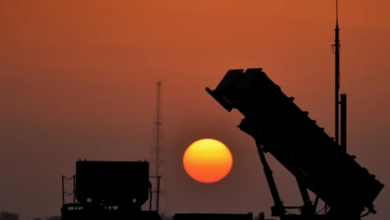
In the broader context and historical background of this event, it is worth noting that Qatar has invested heavily in modernizing its military arsenal, particularly its air defense systems. Doha has concluded major strategic deals to acquire the latest military technologies, including the Patriot PAC-3 and the American Terminal High Altitude Area Defense (THAAD) systems. These advanced systems are capable of intercepting ballistic missiles and various aerial threats with pinpoint accuracy. Furthermore, Qatar hosts Al Udeid Air Base, one of the largest US military bases in the Middle East, making the security of Qatari airspace an integral part of regional and international security and necessitating high-level security and military coordination with international allies.
Strategic importance and impact of the event locally and regionally
Regarding the significance of the event and its anticipated impact, Qatar's success in intercepting this missile attack carries profound and multifaceted implications. Domestically, this development sends a strong message of reassurance to citizens, residents, and investors that the country possesses a protective shield capable of neutralizing any external threats, thus bolstering internal stability and safeguarding vital infrastructure. Regionally, this event unfolds amidst complex geopolitical circumstances in the Middle East and the Arabian Gulf, where the frequency of unconventional threats, such as drones and guided missiles, has increased. The successful missile interception demonstrates the effectiveness of Qatar's deterrence strategy and underscores the ability of regional states to protect their territorial sovereignty amidst escalating tensions.
International repercussions and protecting global energy supplies
Internationally, Qatar's security is inextricably linked to the security of the global economy. Qatar is one of the world's largest exporters of liquefied natural gas (LNG), and any threat to its security is a direct threat to global energy supplies, especially given the current crises in energy markets. Therefore, a decisive and successful response to any missile attack would ensure the uninterrupted flow of gas supplies to Asian and European markets. Such a success would also reinforce Qatar's position as a reliable strategic partner in maintaining international peace and security, and would demonstrate to the international community that Doha is capable of fulfilling its security and economic commitments, regardless of the challenges.