
Qatar and Jordan take a firm stance against regional escalation
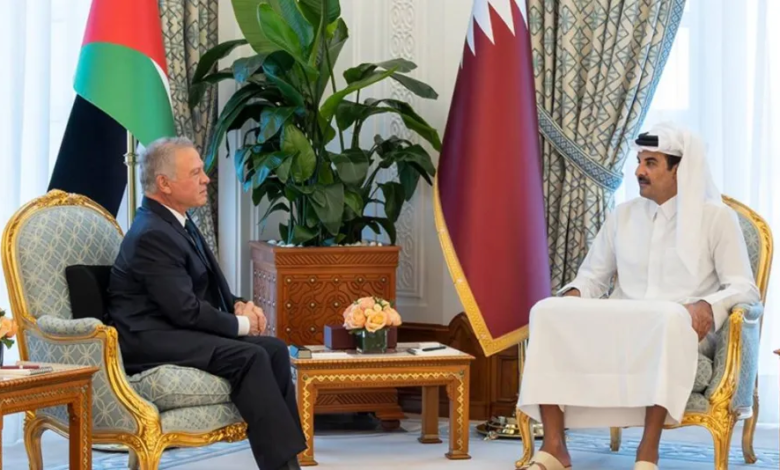
Amid escalating tensions in the Middle East, Qatar and Jordan have issued a firm diplomatic statement condemning the recent Iranian attacks. In official statements, both countries stressed the need for an immediate cessation of military escalation, warning of the grave consequences that could drag the entire region into a full-blown regional war. This joint stance reflects growing Arab concern over the widening scope of the conflict and its potential to transcend traditional geographical boundaries.
General context and historical background of the tensions
These developments cannot be separated from the broader context of the region, particularly since the outbreak of war in the Gaza Strip. This war constituted a strategic turning point, activating multiple fronts and exacerbating regional polarization. Historically, the Middle East has been an arena for interventions and conflicts, but the current phase is characterized by unprecedented complexity due to the overlapping roles of regional and international actors. Iran, through its proxies in the region, has sought to project power, leading to a series of attacks and retaliatory strikes that have threatened international maritime security and the stability of neighboring countries.
The importance of the Jordanian and Qatari position
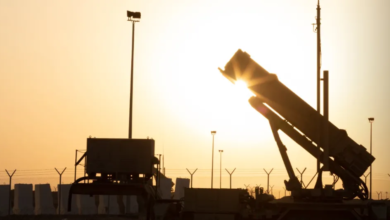
The positions of both Amman and Doha are of paramount importance given the pivotal role each country plays on the diplomatic stage. For Jordan, its geographical location places it at the heart of the conflict, and the Jordanian leadership has repeatedly affirmed that it will not allow its territory or airspace to become an arena for settling regional scores. The Jordanian Armed Forces are constantly working to protect the country's sovereignty from any aerial incursions, whether by drones or missiles, in order to safeguard the security of its citizens.
On the other hand, Qatar stands out as one of the most important peace mediators in the region. Doha has led tireless and marathon diplomatic efforts to try to reach ceasefire agreements in Gaza and prisoner exchanges. Qatari diplomacy believes that military solutions will only lead to further destruction, and that dialogue and negotiations are the only way to ensure lasting stability. The Qatari and Jordanian perspectives align in that continued escalation threatens to undermine all peace efforts.
Expected impact at the local, regional, and international levels
At the local level, governments in the region are striving to reassure their populations amidst anticipation and anxiety over potential economic and security repercussions. Regionally, Iranian attacks and the responses to them further complicate the security landscape, prompting countries in the region to strengthen their alliances and defense capabilities. The continuation of these attacks also threatens to disrupt the economic development paths that the region's countries aspire to.
Internationally, the entire world is watching these developments with great concern. The Middle East is a vital artery for the global economy, particularly with regard to energy supplies and trade through strategic waterways such as the Red Sea and the Strait of Hormuz. Calls for de-escalation from Qatar and Jordan have resonated positively with the international community, aligning with statements from the United Nations, the United States, and the European Union, all of which stress the need for maximum restraint and prioritizing reason and diplomacy to avert a new economic and security crisis.