
Introduction: An urgent Qatari call for de-escalation
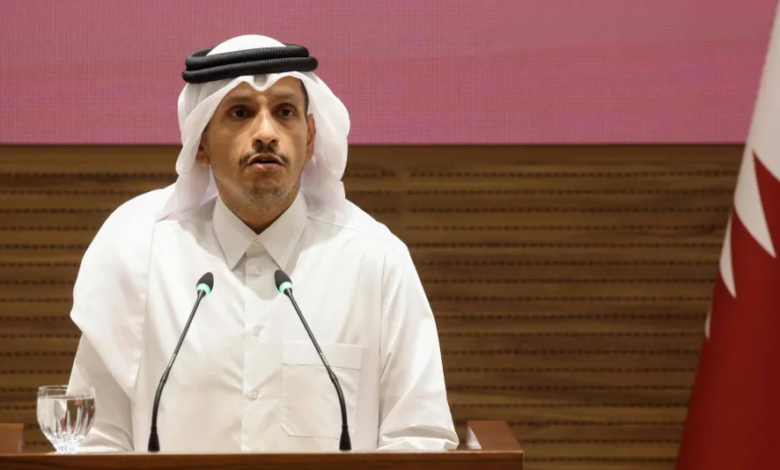
Amid escalating tensions in the Middle East, Qatari Prime Minister and Foreign Minister Sheikh Mohammed bin Abdulrahman Al Thani has made a strong statement urging de-escalation in the Iranian conflict and the avoidance of a full-blown military confrontation. This call comes at a critical juncture, as regional issues become increasingly intertwined, threatening international peace and security, and underscores Doha's unwavering commitment to resolving conflicts peacefully.
General context and Qatar's historical role in mediation
Qatar plays a pivotal and historic role in mediation efforts and conflict resolution through diplomatic means. Over the past years, Doha has successfully bridged the gap between Tehran and Western capitals, most notably Washington. Among its most prominent successes are facilitating prisoner exchange agreements and the release of frozen Iranian assets, reflecting the international community's confidence in Qatari diplomacy. This historical context makes Qatar's current stance a natural extension of a foreign policy aimed at establishing stability through direct and indirect dialogue and preventing the escalation of crises.
Background to current regional tensions
The roots of the tensions associated with the current phase of the “Iranian conflict” lie in the escalating proxy wars and direct confrontations between Iran and Israel, as well as the ongoing disputes over the Iranian nuclear program. These tensions have recently intensified following the repercussions of the war in the Gaza Strip and its spillover into the Red Sea and the Lebanese border. This charged environment makes any small spark a potential catalyst for igniting the entire region, a scenario the Qatari leadership has consistently warned against, emphasizing that military solutions will only bring further destruction and devastation.
The importance of the event and its expected regional and international impact
Regionally, the Qatari prime minister's call is of paramount importance; any large-scale conflict would have catastrophic consequences for all countries in the region. It would directly impact maritime shipping lanes, particularly in the Strait of Hormuz, through which a significant portion of the world's energy supply passes. Furthermore, the Gulf states are striving to implement ambitious development and economic visions, which necessitate a secure and stable environment free from military threats.
Internationally, the entire world is watching these developments with great concern. Any escalation in the Iranian conflict will inevitably lead to global economic shocks, manifested in higher oil and gas prices and increased shipping and insurance costs, thus exacerbating the global inflation crisis. Therefore, Qatar's call for de-escalation is finding a positive response and support from major powers that recognize that stability in the Middle East is a vital global strategic interest.
A future vision for peace efforts
In conclusion, Qatari diplomatic efforts underscore that dialogue is the only way to resolve the complex crises in the Middle East. The Qatari Prime Minister's call for de-escalation in the Iranian conflict is not merely a passing political stance, but a strategic call reflecting a deep understanding of the complexities of the regional landscape and reaffirming Doha's commitment to continuing its tireless efforts with all regional and international parties to ensure a more secure and stable future for the region and the world.