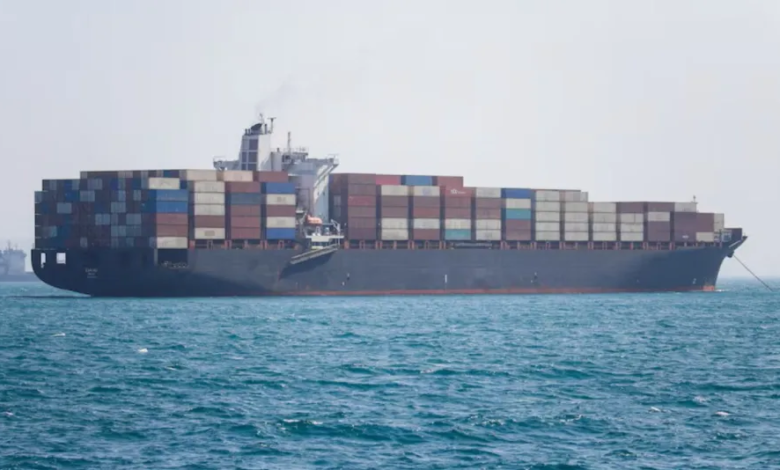

أعلنت وزارة الدفاع القطرية عن تعرض سفينة تجارية كانت في طريقها إلى ميناء حمد، لهجوم بطائرة مسيرة أثناء إبحارها بالقرب من ميناء مسيعيد الصناعي. وأوضحت الوزارة في بيانها أن السفينة كانت قادمة من ميناء أبوظبي، مؤكدةً أنها باشرت على الفور التحقيقات اللازمة لتحديد ملابسات الحادث والجهة المسؤولة عنه. هذا الإعلان يلقي بظلاله على أمن الملاحة في أحد أهم الممرات المائية في العالم، ويثير تساؤلات حول تداعياته على الاستقرار الإقليمي.
خلفية من التوترات: أمن الملاحة في الخليج على المحك
لم يأتِ هذا الحادث في فراغ، بل يندرج ضمن سياق إقليمي متوتر شهد سلسلة من الهجمات التي استهدفت سفناً تجارية وناقلات نفط في مياه الخليج وخليج عمان خلال السنوات الأخيرة. منذ عام 2019، تصاعدت وتيرة الهجمات التي استخدمت فيها الألغام البحرية والطائرات المسيرة والصواريخ، والتي نُسب الكثير منها إلى إيران أو وكلائها في المنطقة. هذه الهجمات غالباً ما تستهدف البنية التحتية الحيوية ومسارات التجارة العالمية، مما يعكس حالة من الحرب الخفية التي تهدد بتعطيل إمدادات الطاقة العالمية.
إن استهداف سفينة قادمة من أبوظبي يحمل دلالات إضافية، خاصة بالنظر إلى التوترات السياسية التي كانت سائدة في المنطقة. ورغم خطوات المصالحة الخليجية، فإن مثل هذه الحوادث الأمنية تعيد تسليط الضوء على هشاشة الوضع الأمني واستمرار وجود جهات تسعى لزعزعة الاستقرار.
الأهمية الاستراتيجية لميناء مسيعيد وقطر
يُعد ميناء مسيعيد، الواقع جنوب العاصمة الدوحة، شرياناً حيوياً للاقتصاد القطري. فهو ليس مجرد ميناء تجاري، بل هو مركز صناعي ضخم يضم منشآت لتسييل الغاز الطبيعي ومصانع بتروكيماويات ومصافي نفط. أي تهديد أمني بالقرب من هذا الميناء يُعتبر تهديداً مباشراً لأمن الطاقة في قطر وصادراتها الحيوية للعالم. وبالتالي، فإن الحادث لا يمثل فقط خرقاً أمنياً، بل تحدياً لقدرة قطر على حماية بنيتها التحتية الاستراتيجية وضمان سلامة الممرات المائية في مياهها الإقليمية.
التأثيرات المتوقعة: من المحلية إلى الدولية
على الصعيد المحلي، يدفع هذا الهجوم السلطات القطرية إلى تعزيز إجراءاتها الأمنية البحرية والجوية لحماية سواحلها وموانئها. أما إقليمياً، فيزيد الحادث من حالة عدم اليقين وقد يؤدي إلى ارتفاع تكاليف التأمين على الشحن البحري في المنطقة، مما يؤثر سلباً على حركة التجارة. دولياً، تتابع القوى الكبرى هذه التطورات بقلق بالغ، نظراً لاعتمادها على استقرار الخليج لضمان تدفق النفط والغاز. إن تكرار مثل هذه الهجمات قد يستدعي تكثيف التواجد العسكري الدولي في المنطقة لضمان حرية الملاحة، وهو ما قد يزيد من احتمالات المواجهة غير المقصودة.