Qatar: Iranian attacks will not go unanswered – details of the new position

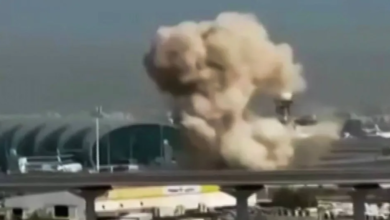
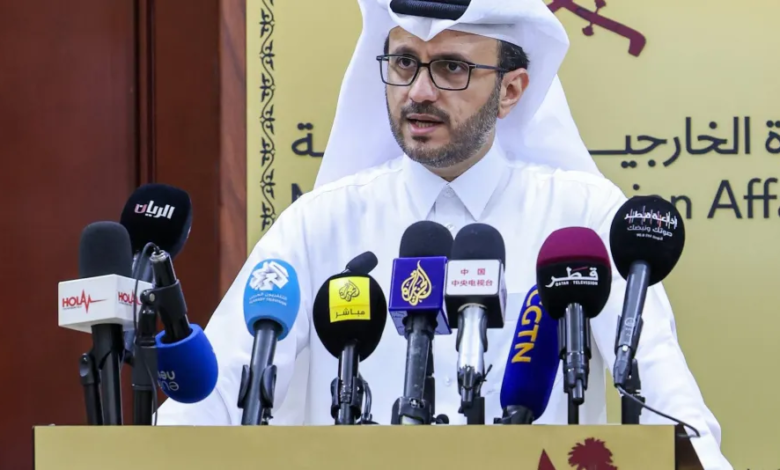
In a significant development in the Gulf region, Qatar has adopted a firm stance regarding recent actions, with informed sources confirming that Iranian aggression will not go unanswered . This indicates a qualitative shift in the diplomatic and political discourse in the region. This statement puts an end to speculation about a policy of restraint, affirming the right of states to defend their sovereignty and national security against any external transgressions.
The context of regional tensions and the importance of Gulf security
These statements are of paramount importance given the sensitive geopolitical position of the Arabian Gulf region. Gulf-Iranian relations have always been characterized by ebbs and flows, where economic interests, such as shared gas fields (North/South Pars), intertwine with political and security differences. Talk of a Qatari "response" reflects a sense of threat to stability and underscores that Doha, despite its well-known role in mediation and de-escalation, has red lines that cannot be crossed when it comes to its territorial integrity or vital interests.
Potential repercussions on the international and economic scene
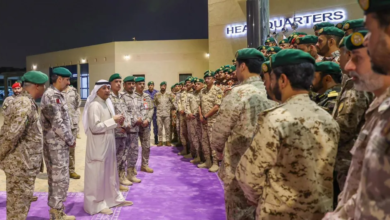
This situation cannot be separated from the broader international context. Any tension in the Strait of Hormuz or the Gulf waters immediately impacts global energy markets. Navigational security in the Gulf is a cornerstone of the global economy, and any Iranian threat in this regard necessitates a unified international response. Qatar's new stance could lead to a realignment of security alliances in the region and strengthen joint Gulf coordination to address emerging security challenges, sending a clear message to the international community about the need to uphold its responsibilities in curbing any hostile behavior that threatens international peace and security.
Historical background and future of relations
Historically, the Gulf states have attempted to balance their geographical proximity to Iran with maintaining their internal security. However, repeated incidents or interventions in their internal affairs often lead to shifts in defense strategies. Analysts suggest that this escalation in rhetoric could be a prelude to diplomatic or economic measures, or even a strengthening of deterrent defense capabilities. The assertion that attacks "will not go unanswered" reinforces the principle of reciprocity in international relations and underscores that maintaining regional stability requires mutual respect for sovereignty and non-interference in the affairs of others—a principle that Doha appears determined to uphold firmly in the coming period.