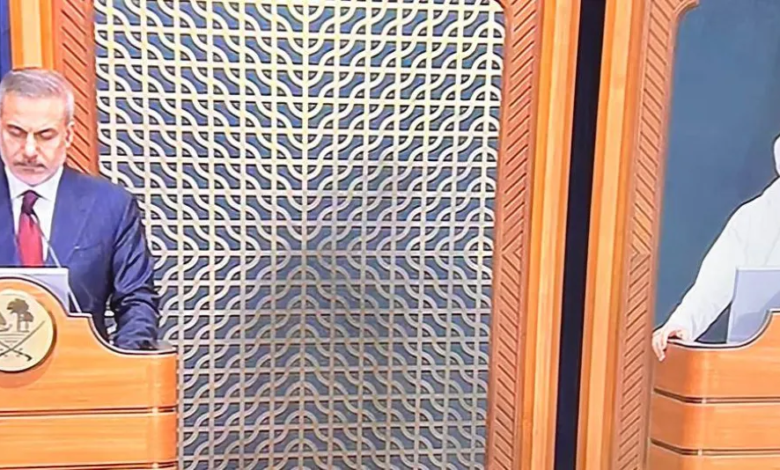
Qatar and Turkey's position: Condemning Iranian escalation and supporting dialogue

Introduction: Qatari-Turkish alignment regarding regional tensions
Amid the rapidly evolving geopolitical landscape of the Middle East, the joint stance of Qatar and Turkey has emerged as a voice of reason, balancing firmness with diplomacy. Both Doha and Ankara have unequivocally condemned any aggression or military escalation by Iran that threatens the sovereignty of neighboring states or destabilizes the region. However, both countries have stressed the importance of keeping the lines of dialogue open to prevent the region from descending into open-ended conflicts with dire consequences.
General context and historical background of relations
Historically, Qatar and Turkey have been bound by a close strategic alliance encompassing economic, political, and military cooperation. At the same time, both countries share borders and complex common interests with Tehran. Turkey shares a long land border and significant trade relations with Iran, particularly in the energy sector, while Qatar shares the North Field, the world's largest gas field, with Iran. This geopolitical and economic reality compels both Ankara and Doha to adopt a pragmatic foreign policy; they reject Iranian military interventions or support for armed militias in Arab states, but they also recognize that completely isolating Tehran could be counterproductive and exacerbate tensions.
The importance of the event and its expected impact locally and regionally
Regionally, this dual stance—condemnation coupled with a call for dialogue—is of paramount importance. It sends a clear message to Tehran that its neighbors and regional partners will not tolerate any violations of sovereignty or international law. Simultaneously, this position offers a diplomatic lifeline that can contain crises before they escalate. For the Gulf Cooperation Council (GCC) states, Qatar’s stance is consistent with the GCC’s policy of de-escalation and protecting vital waterways for global energy supplies.
International influence and the role of mediation
Internationally, major powers, particularly the United States and the European Union, are closely monitoring the roles of Qatar and Turkey. Doha has long played the role of a trusted mediator in numerous complex issues, including indirect talks between Washington and Tehran regarding the nuclear program and prisoner exchanges. Similarly, Turkey seeks to play a peacemaking role in the region. Maintaining open channels of dialogue with Iran, despite condemning its aggression, enhances the chances of success for any future mediation initiatives and reduces the likelihood of direct military intervention, which could plunge the entire world into an unprecedented energy and economic crisis.
a summary
In conclusion, Qatari and Turkish policies toward Iranian actions reflect a deep understanding of the complexities of the Middle East. Combining a firm rejection of aggression with a commitment to peaceful solutions represents a wise strategy aimed at safeguarding the national security of both countries, ensuring regional stability, and sparing their people the horrors of new wars. This balanced diplomatic approach will remain a cornerstone in shaping the future of international relations in the region.