Qatar Energy suspends polymer and aluminum production: details and price forecasts

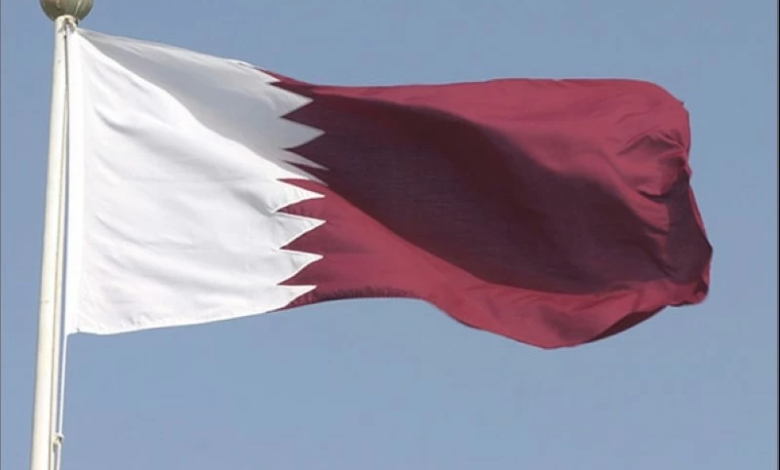
Qatar Energy announced today a strategic decision to suspend production of a range of vital downstream products in the country, including polymers, methanol, aluminum, and other downstream industries. This decision follows the company's suspension yesterday of liquefied natural gas (LNG) and related products production, due to attacks on industrial facilities in Ras Laffan and Mesaieed, which necessitated precautionary measures to ensure the safety of operations and personnel.
Details of the attacks and their impact on the ground
In a related security development, the Qatari Ministry of Defense had previously reported that two Iranian drones carried out an attack targeting a water reservoir at the Mesaieed power plant, as well as a facility belonging to Qatar Energy in Ras Laffan Industrial City. These areas are vital to Qatari industry, with Ras Laffan housing the world's largest gas liquefaction plant, while Mesaieed is a hub for petrochemical and metal industries.
The German Press Agency quoted a brief statement from the company confirming: “Qatar Energy values its relationships with all relevant parties and will continue to communicate with available information,” indicating its commitment to transparency with international partners and customers under these exceptional circumstances.
Goldman Sachs' forecasts and the risks of the Strait of Hormuz
Goldman Sachs analysts stated in a previous report that natural gas prices in European markets could see dramatic increases, potentially more than doubling, in the event of a one-month disruption to shipping through the Strait of Hormuz. The strait is a vital artery for global energy flows, through which a significant portion of oil and gas supplies from the Gulf region to the rest of the world pass.
The bank's analysts noted that markets in Europe and Asia have not yet adequately priced in the risks associated with regional tensions. The bank explained that a month-long shipping disruption could drive up gas prices in Europe and spot LNG prices in Asia by as much as 130%, reaching record highs of nearly $25 per million British thermal units (MMBtu).
Qatar's strategic importance in the energy market
This news is doubly significant given Qatar's position as one of the world's largest exporters of liquefied natural gas (LNG). Doha plays a pivotal role in global energy security, particularly for European and Asian countries that rely heavily on Qatari supplies to meet their energy needs and power their industrial sectors. Any prolonged disruption at facilities like Ras Laffan would not only affect the local economy but also have far-reaching consequences, potentially disrupting global supply chains and putting inflationary pressure on energy prices and petrochemical derivatives such as polymers and methanol.