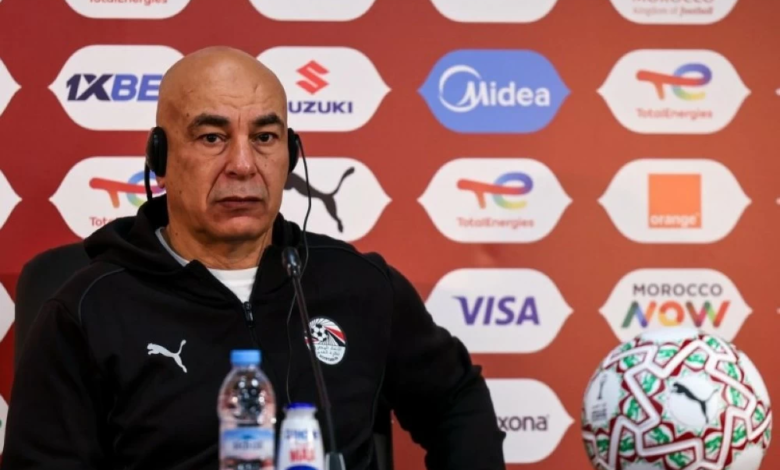

أعلن حسام حسن، المدير الفني لمنتخب مصر، التحدي الصريح قبل المواجهة المرتقبة أمام منتخب جنوب أفريقيا، مؤكداً أن "الفراعنة" لا يخشون أي منافس في بطولة كأس الأمم الأفريقية 2025 المقامة حالياً في المغرب.
ويستعد المنتخب المصري لخوض مباراة قوية ومصيرية غداً الجمعة أمام نظيره الجنوب أفريقي، ضمن منافسات الجولة الثانية من دور المجموعات، وذلك بعد أن استهل مشواره في البطولة بفوز شاق ومهم على منتخب زيمبابوي بنتيجة 2-1، ليحصد أول ثلاث نقاط في رحلة البحث عن النجمة الثامنة.
روح 98 وتحدي "الأولاد"
وفي المؤتمر الصحفي الذي سبق اللقاء، استدعى حسام حسن ذكريات التاريخ المجيد، مشيراً إلى المواجهة التاريخية التي جمعت المنتخبين في نهائي كأس الأمم الأفريقية عام 1998 في بوركينا فاسو. وقال حسن: "منتخب مصر جاهز لمواجهة أي منتخب في البطولة، لا نخشى أحداً، ونمتلك الشخصية التي تؤهلنا للفوز".
وأضاف "العميد"، الذي كان قائداً للمنتخب وهدافاً للبطولة في نسخة 98 التي توجت بها مصر على حساب جنوب أفريقيا بهدفين نظيفين: "لقد تفوقنا على جنوب أفريقيا في نهائي 1998، وإن شاء الله نكرر هذا الأمر ونحن في مقعد القيادة الفنية، لنثبت أن مصر دائماً هي زعيمة القارة".
قراءة فنية وخلفيات الصراع
وتطرق مدرب منتخب مصر إلى الجوانب الفنية للمنافس، موضحاً أن أسلوب لعب منتخب "البافانا بافانا" يعتمد بشكل كبير على القوام الأساسي لنادي ماميلودي صن داونز، وهو أسلوب مألوف للأندية المصرية. وقال: "طريقة لعب جنوب أفريقيا متشابهة مع أسلوب الأندية، وقد واجهنا أنديتهم أكثر من مرة ممثلة في الأهلي والزمالك وبيراميدز، ونعرفهم جيداً ونعرف كيفية إيقاف خطورتهم".
وتكتسب هذه المباراة أهمية خاصة، حيث يسعى المنتخب المصري لرد الاعتبار كروياً بعد إقصائه من دور الـ16 في نسخة 2019 التي أقيمت في القاهرة على يد جنوب أفريقيا، مما يجعل للمباراة طابعاً ثأرياً وتنافسياً عالياً يتجاوز مجرد كونها مباراة في دور المجموعات.
موقف المصابين والاستعداد للقب
وعن التحديات التي تواجه الفريق، أكد حسام حسن أن البطولة تضم منتخبات قوية للغاية، وهو أمر طبيعي في ظل تطور الكرة الأفريقية، لكنه شدد على جاهزية لاعبيه الذهنية والبدنية. وفيما يخص الإصابات، أشار المدرب إلى أن الجهاز الطبي سيحسم موقف الثنائي مصطفى محمد ومحمد حمدي خلال المران الختامي اليوم، لتحديد مدى إمكانية مشاركتهما في اللقاء.
وتسعى مصر من خلال هذه النسخة في المغرب إلى تعزيز رقمها القياسي في عدد مرات الفوز بالبطولة (7 ألقاب)، واستعادة العرش الأفريقي الغائب عن خزائن الفراعنة منذ عام 2010.