
في إطار الاستعدادات المبكرة والمكثفة لموسم الحج لعام 1447هـ، أعلنت محافظة رابغ عن رفع درجة جاهزية مسالخها وتكثيف إجراءاتها الرقابية الصحية، بهدف ضمان تقديم خدمات آمنة وصحية لضيوف الرحمن وسكان المنطقة. وتأتي هذه الخطوات كجزء من خطة تشغيلية متكاملة تشرف عليها وزارة البيئة والمياه والزراعة لضمان سير عمليات الذبح وتقديم اللحوم وفق أعلى معايير السلامة الغذائية.
جولات ميدانية لضمان الجاهزية القصوى
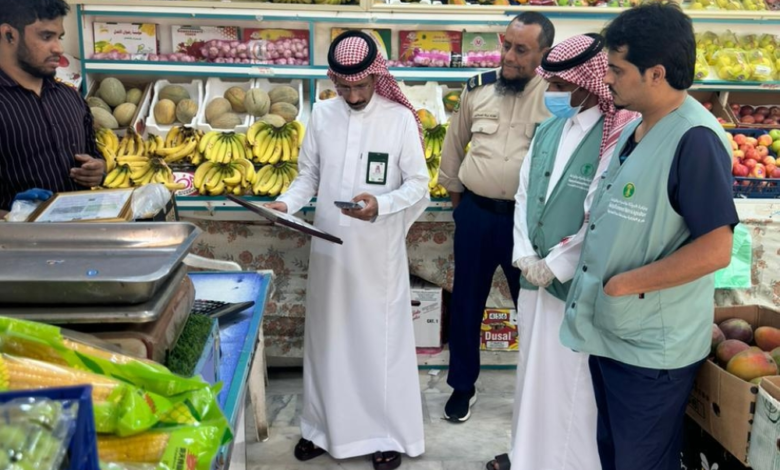
قام مدير مكتب وزارة البيئة والمياه والزراعة بمحافظة رابغ، المهندس ردة القارزي، بجولة تفقدية ميدانية على مسالخ المحافظة والمراكز التابعة لها. هدفت الجولة إلى الوقوف على جاهزية هذه المرافق الحيوية والتأكد من تطبيق كافة الاشتراطات الصحية والفنية. وشملت عملية التفتيش متابعة دقيقة لأعمال النظافة والتعقيم، والتحقق من كفاءة الكوادر البيطرية والفنية، بالإضافة إلى فحص سلامة تجهيزات الذبح والتبريد والتأكد من توفر متطلبات السلامة والصحة المهنية لتقديم خدمات آمنة ومنظمة.
السياق التاريخي وأهمية الأضاحي في الحج
يعد موسم الحج، الركن الخامس من أركان الإسلام، أكبر تجمع ديني سنوي في العالم، حيث يفد ملايين المسلمين إلى مكة المكرمة. ويشكل نسك الهدي والأضاحي جزءاً أساسياً من شعائر الحج، اقتداءً بسنة النبي إبراهيم عليه السلام. هذا الإقبال الهائل على ذبح الأضاحي يضع ضغطاً كبيراً على البنية التحتية للمسالخ في مكة المكرمة والمناطق المجاورة لها مثل رابغ، مما يستدعي استعدادات لوجستية وصحية استثنائية لضمان إدارة هذه العملية بكفاءة وأمان، وتجنب أي مخاطر صحية أو بيئية قد تنجم عن التعامل مع ملايين الذبائح في فترة زمنية قصيرة.
الأهمية الاستراتيجية لمحافظة رابغ
تكتسب محافظة رابغ أهمية استراتيجية خاصة نظراً لموقعها الجغرافي ضمن منطقة مكة المكرمة، وكونها نقطة عبور للعديد من الحجاج. وتساهم مسالخها بشكل فعال في تخفيف الضغط عن المسالخ المركزية في المشاعر المقدسة، وتلبية احتياجات سكان المنطقة والمتعهدين والمؤسسات الخيرية التي تنفذ مشاريع الأضاحي. لذلك، فإن جاهزية مسالخ رابغ لا تخدم المحافظة فحسب، بل تدعم المنظومة المتكاملة لخدمات الحج، وتساهم في تحقيق أهداف المملكة في توفير تجربة حج آمنة وميسرة، تماشياً مع مستهدفات رؤية السعودية 2030 التي تركز على رفع جودة الخدمات المقدمة لضيوف الرحمن.
تشديد الرقابة وتكامل الجهود
أكد المهندس القارزي على أهمية تكثيف الرقابة الميدانية على المسالخ وأسواق النفع العام طوال الموسم لرفع مستوى الجاهزية التشغيلية وضمان سلامة الغذاء. من جانبه، شدد مدير عام فرع الوزارة بمنطقة مكة المكرمة، المهندس وليد آل دغيس، على ضرورة الالتزام التام بالأنظمة المنظمة لأعمال الذبح، والحرص على التخلص الآمن من المخلفات لتعزيز الصحة العامة وحماية البيئة. وتأتي هذه التحركات ضمن خطة شاملة لفرع الوزارة تهدف إلى رفع كفاءة الخدمات الصحية والبيئية وتوفير كافة الإمكانات اللازمة لخدمة الحجاج على أكمل وجه.