The Rafed Al-Haramain initiative trains 320 supervisors to improve the quality of Hajj services

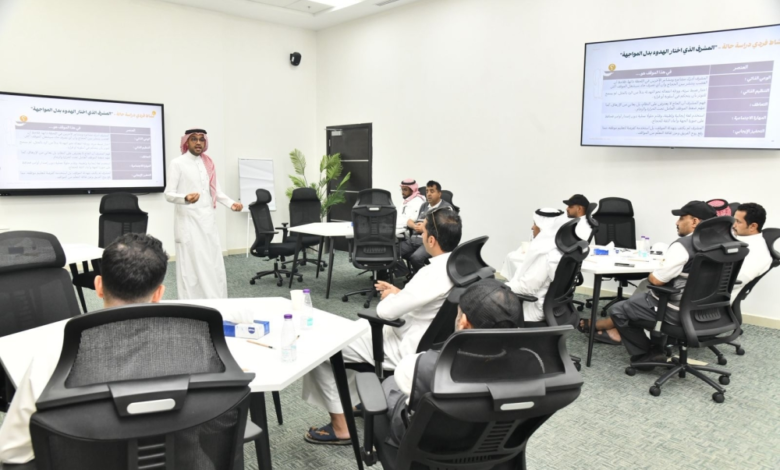
In a strategic move aimed at enhancing services provided to pilgrims, the "Rafid Al-Haramain" initiative launched its operations for the third consecutive year, announcing the commencement of a series of specialized training programs to qualify 320 field supervisors. This initiative is the result of an effective strategic partnership between Umm Al-Qura University and the Ministry of Hajj and Umrah, striving to raise the efficiency of human resources working during the Hajj and Umrah seasons.
Training program pillars and objectives
The current iteration of the initiative focuses on honing the skills of supervisors in key and sensitive areas required by the nature of fieldwork in the holy sites. These areas include customer service skills, effective communication with pilgrims from diverse cultures, and managing emergency situations and crowd control. This intensive training aims to ensure an exceptional experience for pilgrims, characterized by high professionalism and adaptability to changing circumstances.
The context of the Kingdom's Vision 2030 and human capacity development
This initiative cannot be separated from the broader context of the Guests of God Service Program, one of the Kingdom's Vision 2030 programs, which aims to facilitate the hosting of pilgrims to the Two Holy Mosques and provide them with the best possible services. Developing human capabilities plays a crucial role in achieving these objectives, as qualified personnel are the cornerstone of managing the millions of pilgrims who flock to Makkah and Madinah annually. Through these programs, the Kingdom seeks to transform the Hajj and Umrah sector from a traditional seasonal activity into a professional industry based on international quality standards.
Academic role and strategic partnerships
Umm Al-Qura University, through its Institute of Research and Consulting Studies, seeks to enhance its academic and research role by translating theoretical expertise into practical applications that serve the sector. Program organizers emphasized that these courses are part of a series of efforts aimed at building a qualified national workforce capable of effectively and efficiently managing large populations and addressing field challenges.
This year's edition is distinguished by the support of a broad alliance of partners in the private and non-profit sectors, including Al Rajhi Trading Company, the Haram Delegations Association, the Coordinating Council for Domestic Pilgrims, and the Princess Seetah bint Abdulaziz Award Foundation. This alliance reflects the concept of integration between the public, private, and third sectors, aiming to create a collaborative work environment that ensures the smooth flow of services, enhances the sustainability of the initiative, and expands its societal and professional impact, thus showcasing the Kingdom of Saudi Arabia's outstanding efforts in serving the Two Holy Mosques.