
مع اقتراب الشهر الفضيل، تتجه أنظار المسلمين في المملكة العربية السعودية والعالم الإسلامي نحو السماء ترقباً للحظة الحاسمة في تحري هلال رمضان. وقد كشفت الحسابات الفلكية الدقيقة عن تفاصيل هامة تتعلق بمواعيد غروب الشمس في مختلف مناطق المملكة، مما يرسم خارطة طريق واضحة للجان الترائي والمراصد الفلكية المنتشرة في البلاد.
رحلة الغروب من الشرق إلى الغرب
تشير البيانات الفلكية إلى تفاوت زمني ملحوظ يصل إلى 52 دقيقة بين أول وآخر مدينة تغيب عنها الشمس في المملكة ليلة التحري. تبدأ هذه الرحلة الزمنية من المنطقة الشرقية، وتحديداً في مرصد الدمام، حيث تغيب الشمس عند الساعة 5:34 مساءً، ليكون هذا التوقيت هو إشارة البدء الفعلية لعمليات الرصد الميداني.
وتنتقل ظلال الغروب تدريجياً نحو وسط المملكة، حيث تسجل المراصد تقارباً زمنياً دقيقاً. ففي مرصد العيينة يحل الغروب عند الساعة 5:50 مساءً، يتبعه مرصد تمير بفارق دقيقة واحدة (5:51 مساءً)، ثم يتزامن الغروب في مرصدي حوطة سدير والحريق عند الساعة 5:52 مساءً. وتستمر الحركة غرباً لتشمل شقراء (5:54 مساءً)، وبريدة (5:59 مساءً)، وحائل (6:06 مساءً).
الأهمية الدينية والجغرافية لعملية الترائي
يكتسب هذا التفاوت الزمني أهمية بالغة تتجاوز البعد الفلكي؛ فهو يمنح لجان الترائي نافذة زمنية واسعة وممتدة للتأكد من رؤية الهلال. هذا الامتداد الجغرافي للمملكة العربية السعودية من الشرق إلى الغرب يوفر ميزة استراتيجية في رصد الأهلة، حيث يمكن تدارك تعذر الرؤية في منطقة ما بسبب العوامل الجوية عبر الرؤية في منطقة أخرى تغيب فيها الشمس لاحقاً.
وفي الحرمين الشريفين، تترقب اللجان الغروب في المدينة المنورة عند الساعة 6:18 مساءً، وفي مكة المكرمة عند الساعة 6:20 مساءً، وهو توقيت محوري نظراً لمكانة مكة المكرمة كقبلة للمسلمين ومرجع أساسي في إثبات دخول الشهر. وتختتم رحلة الرصد في أقصى الشمال الغربي بمرصد تبوك عند الساعة 6:26 مساءً.
آلية الرصد والمعايير المعتمدة
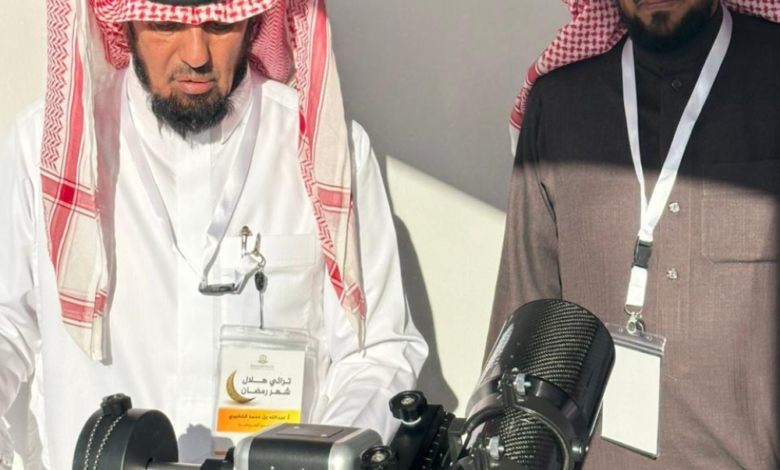
تعتمد المملكة العربية السعودية في إثبات دخول الأشهر القمرية، وعلى رأسها شهر رمضان المبارك، على منهجية تجمع بين الرؤية الشرعية بالعين المجردة أو بالمناظير، وبين الحسابات الفلكية الاسترشادية. وتتولى المحكمة العليا الإشراف المباشر على هذه العملية، داعية عموم المسلمين والمختصين للمشاركة في الترائي.
ولضمان دقة النتائج، يخضع المترائون لفحوصات طبية دقيقة لقياس حدة البصر، وتُعتمد شهاداتهم وفق ضوابط صارمة تضمن الموثوقية. وتعمل المراصد الفلكية المجهزة بأحدث التقنيات كداعم رئيسي لهذه العملية، حيث توفر بيانات دقيقة حول موقع الهلال وزمن مكثه بعد الغروب، مما يسهل مهمة الراصدين ويزيد من دقة الإعلان الرسمي الذي ينتظره ملايين المسلمين حول العالم لتحديد غرة الشهر الكريم.