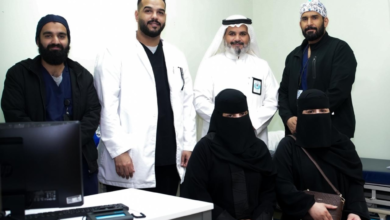

أكد الرائي الفلكي المعروف، عبد الله الخضيري، أن الأجواء المناخية في مرصد حوطة سدير تعتبر مثالية من حيث الصفاء، إلا أن هناك تحديات فلكية نادرة قد تعيق عملية رؤية هلال رمضان لهذا العام. وأشار الخضيري إلى أن تزامن عملية التحري مع ظاهرة الكسوف الحلقي للشمس يفرض واقعاً معقداً يجعل من الرؤية البصرية أمراً في غاية الصعوبة، واضعاً الكلمة الفصل في يد المحكمة العليا.
تفاصيل التحديات الفلكية في سدير
أوضح الخضيري في تصريحاته أن عملية الترائي تتزامن بشكل استثنائي مع كسوف حلقي للشمس تنتهي مراحله عند الساعة 5:27 مساءً. وبيّن أن المعطيات الفلكية تشير إلى أرقام حرجة، حيث لا تتجاوز زاوية الاستطالة بين مركزي الشمس والقمر درجة واحدة فقط. وكشف عن حسابات دقيقة للمرصد الفلكي تفيد بأن الفترة الزمنية الفاصلة بين مركز الهلال وقوسه تتراوح ما بين 70 إلى 75 ثانية فقط، واصفاً هذه الأرقام بأنها تحمل "إشكاليات" فنية قد تحول دون وضوح الرؤية بالعين المجردة أو حتى بالمناظير.
أهمية مرصد حوطة سدير ومكانته التاريخية
يكتسب حديث الرائي عبد الله الخضيري أهمية خاصة نظراً للمكانة التي يتمتع بها مرصد حوطة سدير، الذي يُعد واحداً من أبرز المراصد الفلكية في المملكة العربية السعودية. يقع المرصد في منطقة تتميز بارتفاعها عن سطح البحر وصفاء أجوائها، مما جعلها تاريخياً نقطة مرجعية أساسية في رصد الأهلة وتحديد بدايات الأشهر الهجرية. وعلى مدار سنوات طويلة، ساهم الخضيري وفريقه في تقديم شهادات دقيقة اعتمدت عليها المحكمة العليا في قراراتها، مما يضفي ثقلاً كبيراً على تحذيراته الحالية بشأن صعوبة الرؤية.
الإجراءات المتبعة وتأثير الحدث
تتجه أنظار العالم الإسلامي نحو المملكة العربية السعودية لتحري هلال شهر رمضان المبارك، حيث يترتب على ثبوت الرؤية تحديد أول أيام الصيام. وفي ظل المعطيات التي قدمها الخضيري، تتزايد الاحتمالات بأن يتعذر رؤية الهلال، مما قد يؤدي إلى إكمال شهر شعبان ثلاثين يوماً، عملاً بالقاعدة الشرعية "صوموا لرؤيته وأفطروا لرؤيته، فإن غُمَّ عليكم فأكملوا العدة".
وشدد الخضيري في ختام حديثه على أن الفصل في إثبات دخول الشهر يعود حصراً للمحكمة العليا، الجهة المخولة شرعاً ونظاماً بإعلان دخول الأشهر القمرية، لا سيما في ظل وجود هذه المعطيات الفلكية المعقدة التي قد تثير الشكوك حول إمكانية الرؤية البصرية، مؤكداً التزامه التام بما يصدر عن الجهات الرسمية.