
A successful conclusion to the Ramadan Iftar project in Medina
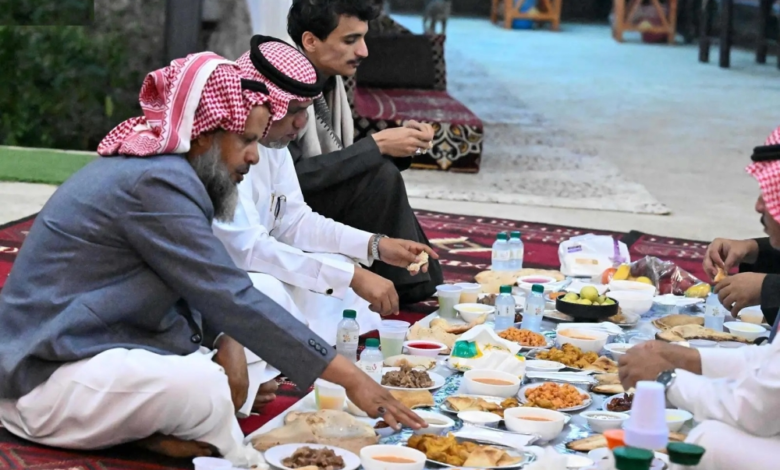
The fifth edition of the Ramadan Iftar tables project in neighborhoods, organized by the Madinah Neighborhood Centers Association “Mujtama’i,” concluded in Madinah. This year, the project achieved record numbers, reflecting the spirit of social solidarity, and successfully made a wide-ranging community impact by providing its valuable services to 183,281 beneficiaries. This achievement came amidst a collaborative effort between the community and institutions, embodying the highest ideals of unity and cohesion among members of civil society during the blessed month of Ramadan.
Figures and statistics reflecting the scale of community giving
Detailing the scale of the efforts, the Neighborhood Centers Association in Madinah explained that organizing Ramadan iftar meals included distributing 38,400 complete iftar meals, prepared according to the highest standards of quality and food safety. In addition, 114,432 bottles of purified water were provided, along with generous quantities of dates, a symbol of authentic Saudi hospitality. This achievement would not have been possible without the dedicated efforts of young Saudi volunteers. A total of 5,262 volunteers participated, undertaking 131 specialized volunteer opportunities and contributing over 31,000 hours of fieldwork, all within a well-structured operational plan aimed at enhancing the quality of services provided to those fasting.
Historical context: An extension of the tradition of hospitality in the city of the Messenger of God
Since the dawn of Islamic history, Medina has been known as a capital of generosity and a haven for its visitors. The culture of providing food and breaking the fast has been intertwined with the identity of Medina's inhabitants, generation after generation. The modern, institutionalized Ramadan Iftar project is a natural extension of this great historical legacy. These practices have evolved from individual efforts by residents in their neighborhoods and alleyways to organized, institutional work led by specialized associations like "Mujtama'i," ensuring the sustainability of charitable work and expanding the circle of beneficiaries to include residential areas and gatherings of visitors and pilgrims.
Local and regional impact of breakfast initiatives
The impact of this massive project extends far beyond the local level, fulfilling the needs of those fasting and strengthening bonds of affection among neighbors and residents of the same neighborhood. Its influence is regional and international. During Ramadan, Madinah receives hundreds of thousands of visitors and pilgrims from across the Islamic world. When these visitors experience this level of organization and generosity, it reflects the bright image of the Kingdom of Saudi Arabia and its efforts in serving the guests of God. Furthermore, the involvement of thousands of volunteers directly contributes to achieving the goals of Saudi Vision 2030, which aspires to reach one million volunteers, thus instilling the values of giving and responsibility in future generations.
Strengthening the role of the non-profit sector in sustainable development
The association stated that the success of the fifth edition of its Ramadan Iftar program is a clear affirmation of the importance of community initiatives in creating a lasting impact. The transformation of charitable work into a professional system perfectly aligns with the developmental aspirations of the non-profit sector in the Kingdom. This sector is no longer limited to temporary aid but has become a key partner in comprehensive development, capable of managing large crowds, organizing substantial financial and human resources, and providing a model to be emulated in the efficient and effective management of seasonal projects.