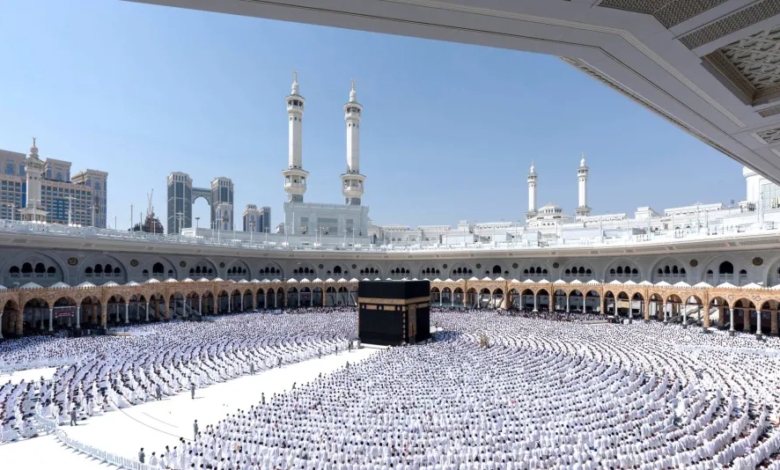

أعلنت الهيئة العامة للعناية بشؤون المسجد الحرام والمسجد النبوي عن إطلاق خطتها التشغيلية المتكاملة لموسم رمضان المبارك لهذا العام، والتي تأتي في إطار الاستعدادات المبكرة لاستقبال الملايين من المعتمرين والمصلين الذين يتوافدون إلى البقاع المقدسة من كافة أنحاء العالم. وتتميز الخطة الجديدة بالتركيز على توظيف التقنية الحديثة والذكاء الاصطناعي، بالإضافة إلى تعزيز الكوادر البشرية لضمان تقديم أرقى الخدمات لضيوف الرحمن.
محاور الخطة التشغيلية والخدمات المقدمة
ترتكز الخطة التشغيلية لموسم رمضان على عدة محاور رئيسية تهدف إلى تيسير أداء المناسك في أجواء روحانية آمنة ومطمئنة. تشمل هذه المحاور تكثيف عمليات التطهير والتعقيم في كافة أرجاء الحرمين الشريفين وساحاتهما على مدار الساعة، باستخدام مواد صديقة للبيئة وأحدث المعدات الآلية. كما تتضمن الخطة إدارة الحشود بكفاءة عالية لضمان انسيابية الحركة في المطاف والمسعى والساحات الخارجية، خاصة في أوقات الذروة مثل صلاتي التراويح والتهجد.
وفي جانب السقيا، تم رفع الطاقة الإنتاجية لتوزيع مياه زمزم المباركة عبر الحافظات المبردة، والحقائب المحمولة، والمشربيات، بالإضافة إلى الروبوتات الذكية التي توزع المياه في المصليات دون إعاقة الحركة. كما تم تعزيز الخدمات التوجيهية والإرشادية من خلال توفير مترجمين بلغات متعددة لخدمة الزوار من مختلف الجنسيات، وتكثيف الدروس العلمية والمصاحف بمختلف التراجم.
السياق العام ورؤية المملكة 2030
تأتي هذه الاستعدادات الضخمة انسجاماً مع مستهدفات «رؤية المملكة 2030»، وتحديداً «برنامج خدمة ضيوف الرحمن»، الذي يهدف إلى إثراء تجربة الحاج والمعتمر وتسهيل رحلتهم الإيمانية. وقد شهد قطاع الحرمين الشريفين في السنوات الأخيرة تحولات جذرية، تمثلت في تحويل الرئاسة العامة إلى هيئة عامة تتمتع باستقلالية ومرونة أكبر، مما ساهم في تسريع وتيرة التطوير وتحسين جودة الخدمات المقدمة.
وتاريخياً، يعتبر موسم رمضان هو ذروة المواسم التشغيلية في الحرمين الشريفين بعد موسم الحج، حيث تتضافر جهود كافة الجهات الحكومية والأمنية والخدمية في المملكة العربية السعودية لإنجاح هذا الموسم. ويعكس هذا الاهتمام الكبير المكانة الدينية العظيمة للمسجد الحرام والمسجد النبوي في قلوب المسلمين، والمسؤولية التي تتشرف المملكة بحملها لرعاية المقدسات الإسلامية.
الأهمية والتأثير الإقليمي والدولي
لا تقتصر أهمية نجاح الخطة التشغيلية لموسم رمضان على الجانب المحلي فحسب، بل تمتد لتشمل تأثيراً إقليمياً ودولياً واسعاً. فنجاح المملكة في إدارة الحشود المليونية بكفاءة واقتدار يعزز من صورتها كنموذج عالمي رائد في إدارة الفعاليات الكبرى والمواسم الدينية. كما أن توفير بيئة آمنة وصحية للمعتمرين يبعث برسائل طمأنينة للعالم الإسلامي، ويشجع المزيد من المسلمين على القدوم لأداء المناسك، مما ينعكس إيجاباً على الجوانب الاقتصادية والثقافية.
ختاماً، تؤكد الهيئة العامة للعناية بالحرمين جاهزيتها التامة لتسخير كافة الإمكانات البشرية والتقنية لخدمة قاصدي الحرمين الشريفين، داعية الله أن يتقبل من الجميع صيامهم وقيامهم، وأن يكلل هذه الجهود بالنجاح والتوفيق.