Statistics from the Two Holy Mosques during Ramadan: 9.5 million Iftar meals distributed

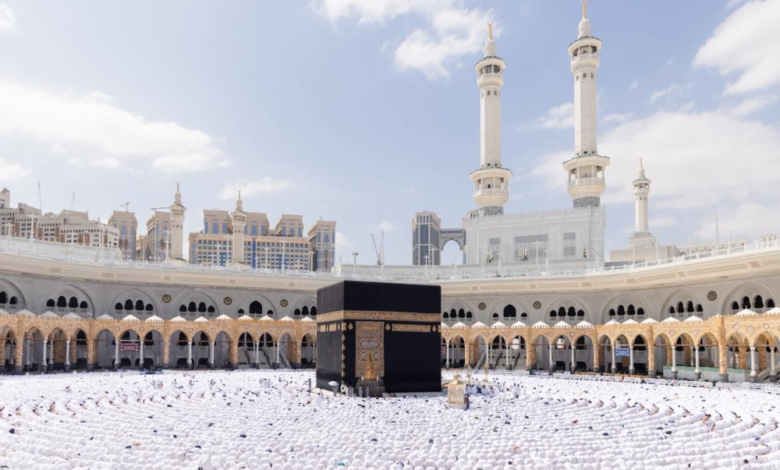
The services provided at the Two Holy Mosques achieved remarkable success during the first ten days of Ramadan. Official statistics released by the General Authority for the Care of the Grand Mosque and the Prophet's Mosque revealed figures in the millions, reflecting the scale of the efforts exerted to serve the pilgrims. These efforts are part of a comprehensive operational plan aimed at providing the utmost comfort and tranquility for Umrah performers and worshippers, in accordance with the spiritual significance of these holy sites.
Historical context and exceptional efforts
Serving the Two Holy Mosques is a cornerstone of the Kingdom of Saudi Arabia's strategy, and recent decades have witnessed tremendous development in the infrastructure and logistical services provided to pilgrims. Organizing iftar meals and providing water is no longer merely a traditional act of charity, but has transformed into a sophisticated institutional system that relies on technology and crowd management to ensure the safety of millions. The figures recorded this year reflect the Kingdom's unwavering commitment to harnessing all its human and material resources to facilitate the performance of the Hajj rituals, which is clearly demonstrated by the significant improvements in the level of services compared to previous years.
Record numbers in food and water services
In terms of statistics, food services topped the list, distributing over 9,581,735 iftar meals in the courtyards and arcades of the Grand Mosque and the Prophet's Mosque. These meals adhere to strict health standards to ensure the safety of those fasting, and are overseen by thousands of workers and volunteers to guarantee their smooth distribution without disrupting crowd flow.
Alongside the food services, the water distribution sector recorded a massive consumption of 15,333 cubic meters of blessed Zamzam water (both chilled and regular). Managing the water distribution is one of the most complex operations due to the increasing demand, as water is pumped through sophisticated networks and distribution points spread throughout the Two Holy Mosques to ensure millions of pilgrims are quenched instantly.
Crowd management and humanitarian services
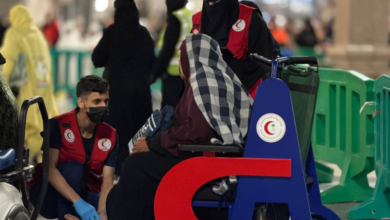
of 586,881 visitors benefited from field guidance and crowd management services provided by a qualified, multilingual team to accommodate the cultural diversity of the visitors. The Authority also paid special attention to vulnerable groups, providing wheelchair transportation services to 332,022 elderly and disabled pilgrims, enabling them to perform their rituals with ease.
These exceptional indicators point to the success of the proactive plans developed by the relevant authorities, and confirm the readiness of the Two Holy Mosques to receive the expected increasing numbers during the last ten days of the holy month, amidst a spiritual atmosphere filled with security and safety.