Ramadan in Houthi-controlled areas: Exorbitant prices and religious restrictions stifle joy

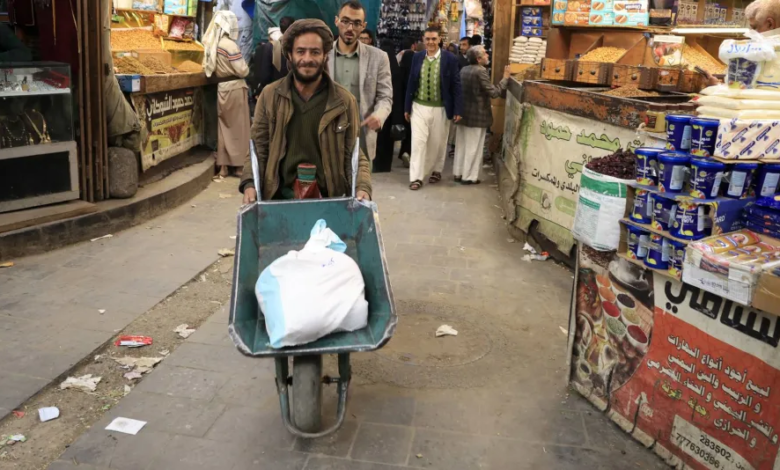
This year, the holy month of Ramadan arrives for Yemenis living in Houthi-controlled areas burdened with hardship and suffering. The rituals of this blessed month have been transformed from an occasion for joy and compassion into a season of intensified human and economic hardship. Scenes emerging from Sana'a and neighboring governorates reveal a near-total absence of the usual festive atmosphere, amidst the oppressive living conditions imposed on the population by the militia.
A severe economic crisis and a lack of salaries
Citizens in Houthi-controlled areas are experiencing a dire humanitarian crisis, as the holy month of Ramadan coincides with the eighth consecutive year that state employees have gone without pay. This situation has led to an unprecedented erosion of purchasing power, making even basic necessities for the iftar meal a distant dream for many. Economic reports indicate a dramatic surge in the prices of essential food items, a consequence of the militia's imposition of double levies and customs duties on merchants, which are directly passed on to the average consumer.
Religious restrictions and suppression of freedoms
Not content with economically strangling the citizens, the de facto authorities have extended their reach to the spiritual and religious aspects of the holy month. Over the past years, the Houthi militia has consistently imposed strict restrictions on Taraweeh prayers in mosques, attempting to replace them with mobilization programs and sectarian lectures broadcast via loudspeakers. This has sparked widespread resentment among residents, who consider these practices a blatant violation of their religious freedoms and centuries-old traditions.
Seasonal levies burden merchants and citizens
In the militia's lexicon, Ramadan has become a season for collecting funds under various pretexts, most notably zakat, which is collected by force of arms at exorbitant rates that are not based on moderate Islamic law. The militia conducts intensive field campaigns targeting shops and markets to force merchants to pay hefty levies, compelling them to raise prices to compensate for their losses, with ordinary citizens ultimately bearing the brunt.
Humanitarian and international context
These practices come at a time when the United Nations and international organizations are warning of worsening food insecurity in Yemen. Despite the fragile truce and the reduced intensity of military operations, the economic war waged by the militia against civilians in areas under its control continues unabated. Observers believe that the continuation of these policies threatens to deepen social divisions and increase poverty and famine rates, necessitating serious international intervention to salvage what can be saved and stop the exploitation of people's needs during this holy month.