
Introduction: The lack of diversity on the Ramadan table in Yemen
Yemenis are welcoming the holy month of Ramadan amidst dire economic and humanitarian conditions, as the ongoing war casts its dark shadow over all aspects of life. The Ramadan table in Yemen spared these repercussions; exorbitant prices and a decline in purchasing power have diminished its traditional variety. Historically, the Yemeni Ramadan table was known for its richness and diversity of traditional dishes such as shafout, soup, sambousa, and bint al-sahn, but today these dishes have become luxuries that millions of families cannot afford.
General context and historical background of the crisis
The roots of this crippling crisis lie in the armed conflict that erupted in Yemen in late 2014 and escalated in 2015. This brutal war led to the near-total collapse of the Yemeni economy, the destruction of infrastructure, and the fragmentation of financial institutions, most notably the Central Bank. As a result, the Yemeni rial experienced an unprecedented and historic decline against foreign currencies, leading to a dramatic surge in the prices of basic food commodities. Adding to the suffering, the salaries of hundreds of thousands of government employees have been suspended for years, depriving families of their primary source of income and leaving them facing the specter of famine, particularly with the approach of religious seasons that require additional expenses.
The impact of high prices on Ramadan rituals
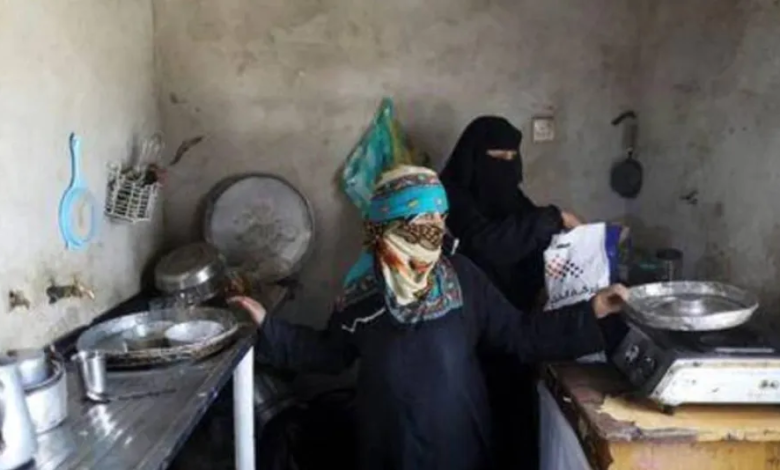
The harsh economic conditions have forced Yemeni families to drastically alter their consumption habits. Priorities have shifted from seeking a variety of foods and sweets to simply securing basic necessities like flour, rice, oil, and sugar. Meat and Ramadan sweets have disappeared from many tables, and the social solidarity practices of exchanging dishes with neighbors and setting up charity tables (Iftar meals) that once provided a refuge for the poor and needy have diminished as poverty has spread to encompass the middle class, which has almost vanished.
Importance and expected impact (locally, regionally, and internationally)
Local impact
Locally, this situation has exacerbated malnutrition rates, particularly among children and pregnant women. It has also had profound psychological and social repercussions, leaving heads of households feeling helpless and distressed at their inability to meet their children's needs and bring them joy during this holy month.
Regional and international impact
Regionally and internationally, this suffering underscores the ongoing nature of what the United Nations describes as the world’s worst humanitarian crisis. More than two-thirds of Yemen’s population now relies on humanitarian aid provided by international and regional organizations, such as the World Food Programme. With international funding for relief operations in Yemen declining due to other global crises, international concern is growing about the potential for widespread famine. The continuation of this situation highlights the urgent need for the international community to intervene and push for a comprehensive political settlement that ends the war, lifts the blockade, and restores economic stability to the Yemeni people.
conclusion
In conclusion, the Ramadan table in Yemen remains a stark testament to the brutality of war and the bitterness of soaring prices. Despite all these challenges, Yemenis strive to cling to what remains of the spirituality of the holy month, armed with patience and hope that the war will end and their tables will regain the joy and variety forcibly taken from them.