Ramaphosa investigates Iran's participation in South African naval exercises

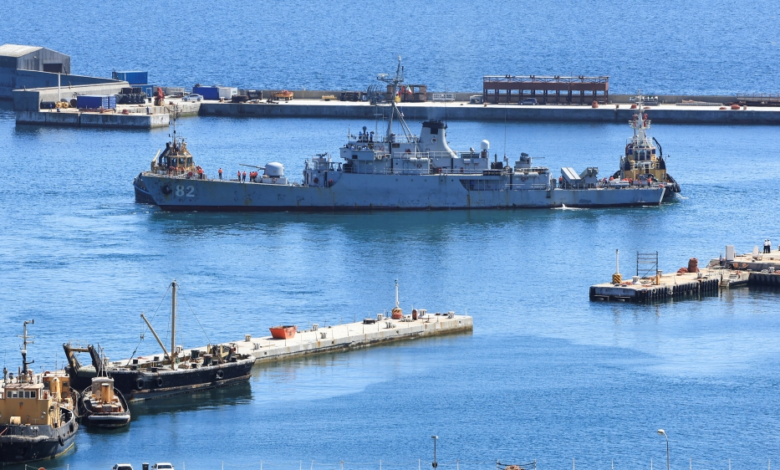
South African President Cyril Ramaphosa has ordered a formal and immediate investigation into the participation of Iranian naval vessels in military exercises off the country's coast, a move that reveals a rift in coordination between the presidency and the military leadership. This decision follows reports that Tehran's participation violated explicit instructions issued by the president in his capacity as commander-in-chief of the armed forces.
Details of the investigation and the judges' committee
According to a statement issued by the Pretoria presidency, a high-level inquiry committee has been formed, headed by a retired judge and including two other legal experts. The committee's mandate is to investigate why presidential directives excluding the Iranian navy from joint military exercises led by China and Russia were ignored. President Ramaphosa has given the committee one month to submit its final report, which will include recommendations for disciplinary action and consequences for those responsible for this breach of military and political protocol.
Geopolitical context and international pressures
This incident is of particular importance given the sensitive timing of South Africa's international relations. The naval exercises held in the Indian Ocean, which included BRICS nations, were already under scrutiny and criticism from Western powers, particularly the United States. Washington views deepening military cooperation with Tehran and Moscow as a challenge to Western interests, and the US has previously described any Iranian participation as "unacceptable.".
Observers believe that Ramaphosa's swift move to investigate the matter reflects South Africa's desire to maintain a delicate balance in its foreign relations and avoid jeopardizing its economic interests with the West, particularly with regard to the African Growth and Opportunity Act (AGOA), while simultaneously upholding its commitments to its partners in the East and the Eastern Bloc.
A history of divergence between the army and the government
This is not the first time disagreements between the political and military leadership in South Africa have surfaced. Last August, the Ministry of Foreign Affairs was forced to issue a clarification distancing the government from statements made by senior officers during a visit to Tehran, emphasizing that foreign policy is the exclusive domain of the elected government, not the military. Analysts suggest that the recurrence of such incidents may necessitate a restructuring of decision-making mechanisms within the Ministry of Defence to ensure full compliance with the country's civilian leadership.
The results of this investigation are expected to have far-reaching implications, not only for the internal level and the leadership hierarchy of the South African army, but also for the messages of reassurance that Pretoria wishes to send to the international community regarding its commitment to positive neutrality and state control over its sovereign decisions.