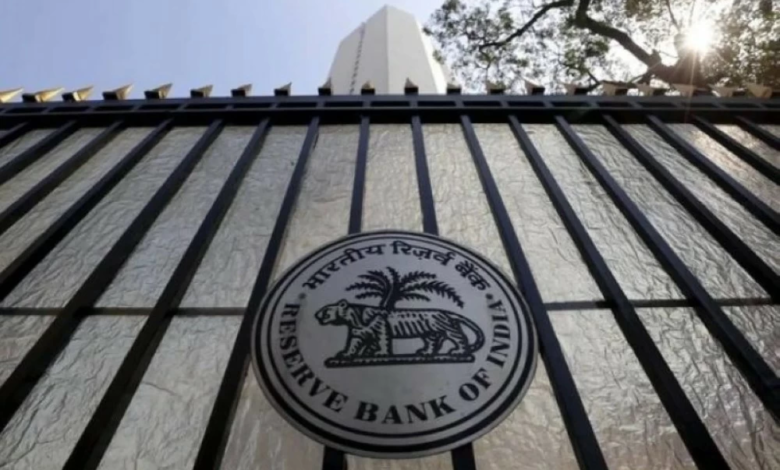

أعلن البنك المركزي الهندي، في قراره الصادر اليوم الجمعة، عن تثبيت أسعار الفائدة الرئيسية عند مستوى 5.25% دون تغيير، في خطوة جاءت متطابقة تماماً مع توقعات المحللين والأسواق المالية. ويأتي هذا القرار مدعوماً بموجة من التفاؤل الحذر الذي يسود الأوساط الاقتصادية بشأن قرب إبرام صفقات تجارية استراتيجية كبرى مع كل من الولايات المتحدة الأمريكية والاتحاد الأوروبي، وهو ما يُعول عليه لتعزيز الزخم الاقتصادي لواحدة من أسرع الاقتصادات الكبرى نمواً في العالم.
استراتيجية التريث ومراقبة الأثر الاقتصادي
وفي تفاصيل القرار، أكد محافظ البنك المركزي، سانجاي مالهوترا، أن لجنة السياسة النقدية اتخذت قراراً استراتيجياً بالتريث في الوقت الراهن. ويهدف هذا التوجه إلى منح الاقتصاد وقتاً كافياً لاستيعاب ومراقبة الأثر الكامل لدورة التيسير النقدي السابقة، حيث قام البنك بخفض الفائدة بشكل تراكمي بمقدار 125 نقطة أساس خلال العام الماضي. وأشار مالهوترا إلى أن السياسات النقدية تحتاج عادةً إلى فترة زمنية لتنعكس آثارها بوضوح على القطاعات الإنتاجية والاستهلاكية، مما يجعل قرار التثبيت الحالي خطوة ضرورية لتقييم الموقف بدقة.
الآفاق التجارية وتأثيرها على الاقتصاد الكلي
وتلعب التطورات الجيوسياسية والتجارية دوراً محورياً في صياغة الرؤية المستقبلية للاقتصاد الهندي. فقد أشار المحافظ إلى أن نجاح التفاهمات التجارية الأخيرة والمفاوضات الجارية مع الشركاء الغربيين (واشنطن وبروكسل) يساهم بشكل فعال في تحسين التوقعات الاقتصادية الكلية للهند. ومن المتوقع أن تفتح هذه الاتفاقيات آفاقاً جديدة للصادرات الهندية، وتجذب المزيد من الاستثمارات الأجنبية المباشرة، مما يعزز من استقرار العملة المحلية ويدعم ميزان المدفوعات، وهو ما يعطي البنك المركزي أريحية أكبر في إدارة السياسة النقدية بعيداً عن الضغوط الخارجية الحادة.
معدلات التضخم وتوقعات السنة المالية
وعلى صعيد المؤشرات الداخلية، يأتي هذا القرار في وقت تشهد فيه معدلات التضخم تحركات طفيفة. فقد أظهرت البيانات الرسمية ارتفاع معدل تضخم أسعار المستهلكين في الهند إلى 1.33% خلال شهر ديسمبر، مسجلاً تسارعاً طفيفاً مقارنة بـ 0.71% في الشهر الذي سبقه. ورغم هذا الارتفاع، لا تزال المعدلات ضمن النطاق الآمن الذي يسمح للبنك المركزي بالحفاظ على سياسته الحالية.
وفيما يتعلق بالتوقعات المستقبلية، عدّل البنك المركزي تقديراته لمعدل التضخم للسنة المالية الحالية، حيث يتوقع أن يبلغ 2.1%، وهو ارتفاع طفيف عن التوقعات السابقة التي كانت تشير إلى 2.0%، وذلك وفقاً لما ذكرته شبكة «سي إن بي سي». يعكس هذا التعديل الطفيف استجابة البنك للمتغيرات الاقتصادية العالمية والمحلية، مع الحفاظ على نظرة مستقبلية تتسم بالاستقرار والنمو المستدام.