
السياق التاريخي لجهود المملكة في خدمة ضيوف الرحمن
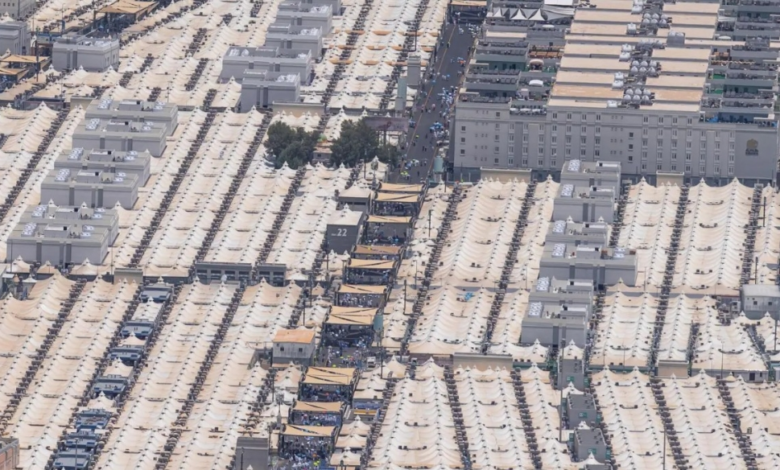
على مر العقود، أولت المملكة العربية السعودية اهتماماً بالغاً وعناية فائقة بخدمة حجاج بيت الله الحرام، جاعلة من أمنهم وسلامتهم أولوية قصوى تتصدر كافة الخطط الحكومية. ومع تزايد أعداد الحجاج سنوياً، تطورت البنية التحتية في المشاعر المقدسة بشكل جذري، حيث تحولت من مخيمات تقليدية إلى واحدة من أكبر المدن الذكية والمجهزة في العالم، وتحديداً مشروع الخيام المطورة المقاومة للحريق في مشعر منى، والذي يُعد الأضخم من نوعه عالمياً. وتأتي هذه الجهود المتراكمة اليوم لتتوج ضمن مستهدفات برنامج ‘خدمة ضيوف الرحمن’، أحد أهم برامج رؤية السعودية 2030، والذي يهدف إلى إثراء وتعميق تجربة الحاج والمعتمر، وتوفير أقصى درجات الراحة والسلامة لهم منذ لحظة وصولهم وحتى مغادرتهم.
تفاصيل جاهزية مراكز الإيواء لموسم حج 1447هـ
في إطار الاستعدادات المبكرة والمكثفة لموسم حج عام 1447هـ، أعلنت وزارة البلديات والإسكان عن اكتمال جاهزية منظومة مراكز الإيواء في المشاعر المقدسة. وتأتي هذه الخطوة الاستباقية ضمن خطط الطوارئ الشاملة والمعتمدة لخدمة ضيوف الرحمن، استناداً إلى التوجيهات السامية الكريمة. وقد كشفت الوزارة عن تجهيز 4 مراكز إيواء رئيسية تتمتع بطاقة استيعابية ضخمة تصل إلى نحو 45 ألف حاج. ولضمان استدامة الإمدادات، تم تجهيز 11 مستودعاً استراتيجياً يضم كافة المواد الإغاثية واللوجستية اللازمة لدعم أعمال الإيواء والاستجابة الميدانية الفورية لأي طارئ.
تجهيزات لوجستية متطورة في منى وعرفات
أوضحت الوزارة أن مراكز الإيواء تمثل ركيزة أساسية من منظومة الطوارئ المعتمدة ضمن الخطة العامة للطوارئ الصادرة بقرار من سمو وزير الداخلية. وتهدف هذه المنظومة إلى تعزيز الجاهزية وسرعة الاستجابة للحالات الطارئة خلال موسم الحج. وقد شملت عمليات التهيئة مراكز حيوية في مشعري منى وعرفات، أبرزها مراكز المعيصم، وعرفة (1)، وعرفة (2). وتم تجهيز هذه المراكز بأعلى معايير السلامة والجاهزية التشغيلية، بالتنسيق المباشر مع المديرية العامة للدفاع المدني والمختصين بالأعمال الإغاثية والإنسانية.
قدرات ميدانية واستجابة سريعة
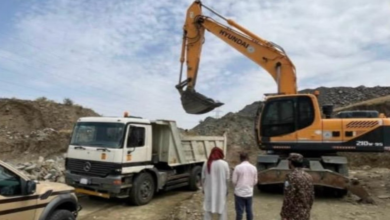
لضمان التعامل الأمثل مع الكثافة البشرية الهائلة، أكدت الوزارة أن منظومة الجاهزية الميدانية تتضمن توفير 15 ألف خيمة مقاومة للحريق، مجهزة بكامل مستلزماتها ومحفوظة في مستودعات الوزارة لتكون جاهزة للإنشاء الفوري عند الحاجة. كما تم توفير أسطول من الآليات الثقيلة وحافلات النقل مع سائقيها لضمان انسيابية الحركة. وفي الجانب الإغاثي، تم تأمين أكثر من 12 ألف وجبة جافة تُقدم فوراً لمن يتم إيواؤهم كإجراء أولي، تمهيداً لتقديم الوجبات الرئيسية. ولرفع كفاءة الكوادر البشرية، تشارك الفرق المعنية في تنفيذ فرضيات ميدانية وورش عمل تدريبية مكثفة.
الأهمية والتأثير المتوقع للحدث
يحمل هذا الإعلان أهمية بالغة على عدة أصعدة؛ محلياً، يعكس كفاءة الأجهزة الحكومية السعودية وقدرتها العالية على التنسيق المشترك وإدارة الحشود المليونية في مساحات جغرافية محدودة وخلال فترة زمنية قصيرة. إقليمياً ودولياً، يبعث هذا الاستعداد المبكر رسالة طمأنينة واضحة لملايين المسلمين حول العالم وللدول الإسلامية، مؤكداً أن المملكة تسخر كافة إمكاناتها المادية والبشرية لضمان عودة الحجاج إلى أوطانهم سالمين غانمين. وتعتمد منظومة الطوارئ آلية تصعيد تشغيلية متدرجة تضمن سرعة اتخاذ القرار، مما يعكس مستوى احترافياً وعالمياً في إدارة الأزمات والكوارث المحتملة.