
استعدادات مبكرة لاستقبال ضيوف الرحمن
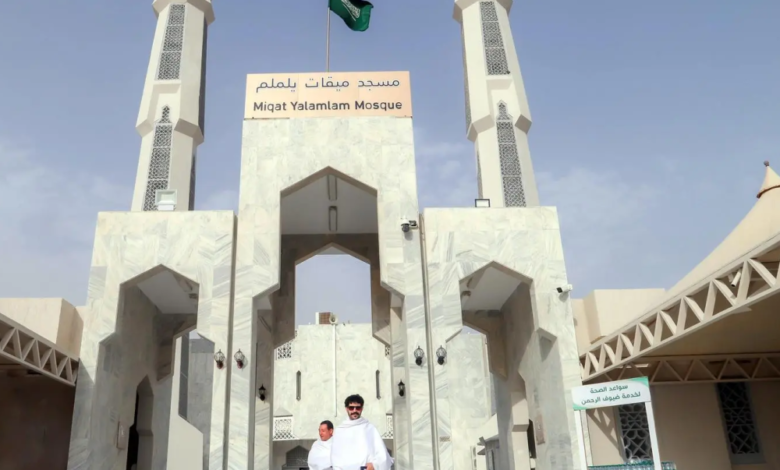
تستعد المملكة العربية السعودية في كل عام لاستقبال الملايين من المسلمين من شتى بقاع الأرض لأداء فريضة الحج، وفي هذا السياق، أعلنت الهيئة الملكية لمدينة مكة المكرمة والمشاعر المقدسة، بالتنسيق مع الجهات المعنية، عن اكتمال جاهزية ميقاتي “يلملم” و”الجحفة” لاستقبال ضيوف الرحمن لموسم الحج الحالي. تأتي هذه الخطوة الاستراتيجية تزامناً مع تزايد توافد الحجاج القادمين عبر المنافذ البرية والجوية والبحرية، وذلك ضمن خطط ميدانية متكاملة تهدف إلى تعزيز جودة الخدمات ورفع كفاءة الجاهزية التشغيلية.
الأهمية التاريخية والدينية لميقاتي يلملم والجحفة
تكتسب المواقيت المكانية أهمية بالغة في الشريعة الإسلامية، حيث حددها النبي محمد -صلى الله عليه وسلم- كنقاط انطلاق لا يجوز للحاج أو المعتمر تجاوزها دون الإحرام. يُعد “ميقات يلملم”، الواقع في محافظة الليث، الميقات الرئيسي لأهل اليمن وجنوب المملكة العربية السعودية، ويمثل نقطة عبور تاريخية وحيوية. أما “ميقات الجحفة”، الواقع في محافظة رابغ، فهو الميقات المخصص لأهل بلاد الشام، ومصر، وشمال إفريقيا. هذه الأهمية التاريخية تجعل من تطوير هذه المواقيت ضرورة ملحة لخدمة أعداد متزايدة من الحجاج سنوياً، مما يعكس التأثير الإقليمي والدولي البارز لجهود المملكة في تيسير رحلة الحج لمسلمي العالم.
تطوير البنية التحتية والخدمات التشغيلية
شملت الاستعدادات التي أشرفت عليها الهيئة الملكية تنفيذ أعمال تطوير وصيانة شاملة للمرافق والخدمات في كلا الميقاتين. تم التركيز على تهيئة المسارات الداخلية، والساحات الخارجية، ومناطق الاستراحة لضمان انسيابية الحركة. إلى جانب ذلك، تم تعزيز خدمات النظافة، والصيانة الدورية، وأنظمة التكييف، مما يضمن توفير بيئة مريحة وصحية لضيوف الرحمن منذ اللحظة الأولى لوصولهم إلى المواقيت للبدء في مناسكهم بكل يسر وسهولة.
طاقة استيعابية ضخمة وتأثير إقليمي
من الناحية التشغيلية، يتميز ميقات يلملم بطاقة استيعابية ضخمة تصل إلى ما يزيد على 55 ألف زائر في وقت واحد، مما يجعله قادراً على استيعاب التدفقات الكبيرة من الحجاج القادمين من جنوب المملكة واليمن. في المقابل، تصل الطاقة الاستيعابية لميقات الجحفة إلى أكثر من 21 ألف زائر، ليكون نقطة إحرام استراتيجية تخدم حجاج دول الشام ومصر ودول شمال إفريقيا. هذا التوزيع المدروس للطاقات الاستيعابية يساهم في تخفيف الضغط وتسهيل الإجراءات، مما ينعكس إيجاباً على راحة الحجاج على المستويين الإقليمي والدولي.
رفع كفاءة منظومة الإرشاد المكاني والصحي
لم تقتصر الجهود على البنية التحتية فحسب، بل عززت الهيئة، بالتعاون مع الجهات المشغلة، جاهزية المصليات، ودورات المياه، ومرافق الوضوء. كما تم تكثيف تواجد فرق التشغيل الميداني والكوادر التطوعية لتقديم الدعم المستمر. ولضمان سلامة الحجاج، تم توفير الخدمات الإسعافية والصحية على مدار الساعة. علاوة على ذلك، تم رفع كفاءة منظومة الإرشاد المكاني والتوعية بلغات متعددة، لتجاوز حواجز اللغة وتقديم الإرشادات اللازمة للحجاج من مختلف الجنسيات والثقافات.
الارتقاء بتجربة الحاج وفق رؤية المملكة 2030
تأتي هذه الجهود الجبارة والمستمرة ضمن خطط الهيئة الملكية لمدينة مكة المكرمة والمشاعر المقدسة الرامية إلى تسخير كافة الإمكانات التقنية والبشرية لخدمة ضيوف الرحمن. وتنسجم هذه الخطوات بشكل كامل مع مستهدفات برنامج “خدمة ضيوف الرحمن”، أحد أهم برامج رؤية المملكة 2030، والذي يهدف إلى إحداث نقلة نوعية في تجربة الحاج والمعتمر، وتحسين جودة الخدمات المقدمة في مختلف المواقع المرتبطة برحلة الحج، لتبقى المملكة العربية السعودية الوجهة الرائدة والآمنة لملايين المسلمين حول العالم.