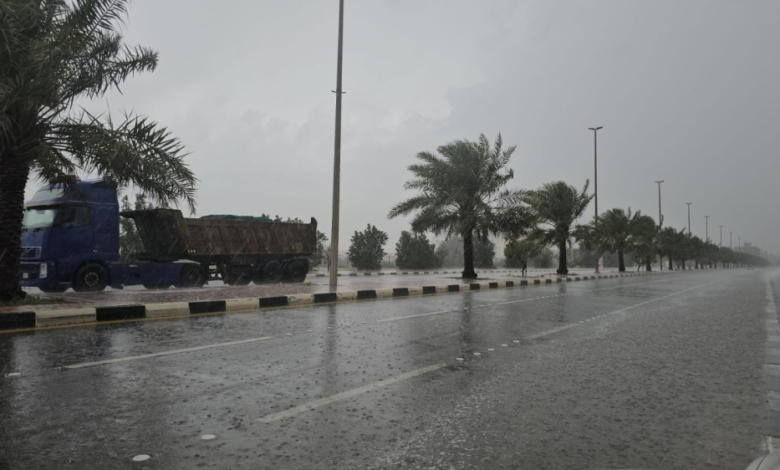

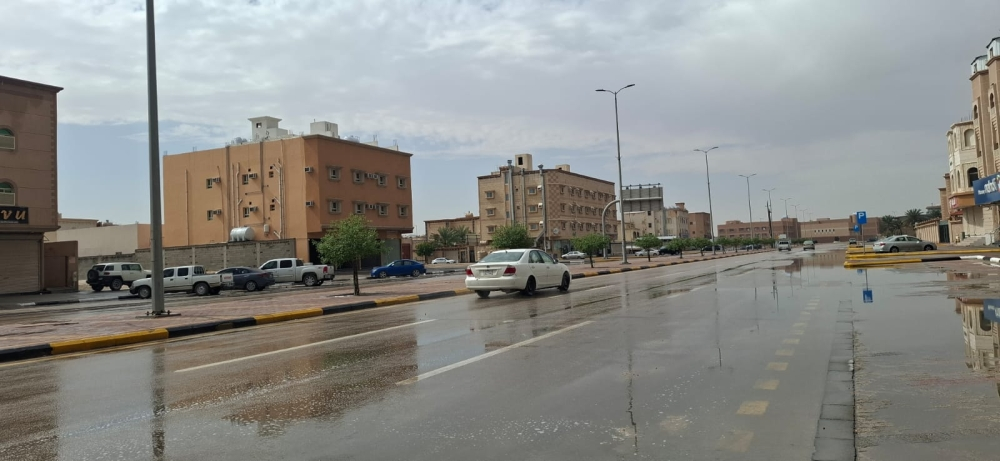
The National Center for Meteorology in Saudi Arabia issued a red alert for the Riyadh region, forecasting rain accompanied by thunderstorms and severe weather conditions. These warnings are part of the authorities' commitment to the safety of citizens and residents, with the General Directorate of Civil Defense urging everyone to take maximum precautions to avoid potential hazards resulting from these sudden weather changes.
Details of the red alert in Riyadh and weather forecasts
The “Red Alert” is the highest level of warning issued by the National Center for Meteorology, indicating severe weather phenomena requiring immediate intervention and response. In this context, the center explained that the Riyadh region and scattered areas will experience heavy rainfall that may lead to flash floods and rising water levels in streets and low-lying areas. This weather pattern will also be accompanied by strong surface winds that may reduce horizontal visibility, necessitating extra caution from drivers on highways and local roads.
Civil Defense guidelines to ensure public safety
In response to these warnings, the General Directorate of Civil Defense stressed the importance of strictly adhering to safety instructions and guidelines. It urged citizens and residents to remain in safe locations during periods of rainfall and to stay away from areas where water accumulates, including valleys and dams, as these areas are dangerous hotspots for flash floods. The Directorate also warned against attempting to cross valleys in vehicles, emphasizing the importance of following safety guidelines and staying updated on the latest weather conditions through official channels.
Climate context: Weather changes in the Kingdom
Historically, the Riyadh region has been known for its arid desert climate. However, recent years have witnessed a significant shift in climatic patterns across Saudi Arabia and the Arabian Peninsula in general. During transitional seasons, such as autumn and spring, or at the height of winter, the capital and its surrounding areas experience periods of atmospheric instability. These conditions result from the convergence of cold and warm air masses, leading to heavy thunderstorms over short periods. Due to the desert terrain's limited water absorption capacity, flash floods can form rapidly, highlighting the critical importance of early warnings issued by meteorological services.
Local impact and proactive efforts
Locally, this weather event has direct repercussions on daily life in the capital. Heavy rainfall often disrupts traffic and may necessitate the suspension of in-person classes at schools and universities, switching to remote learning to ensure student safety. Furthermore, these warnings highlight the importance of activating emergency plans by government agencies, such as the Riyadh Municipality and the Ministry of Transport, to deploy field teams and water pumps to address any water accumulation. This high level of coordination between Civil Defense, the Meteorology Department, and other service providers reflects the advanced state of the Kingdom's crisis and disaster management system, aligning with the goals of Saudi Vision 2030 to provide a safe and sustainable environment.