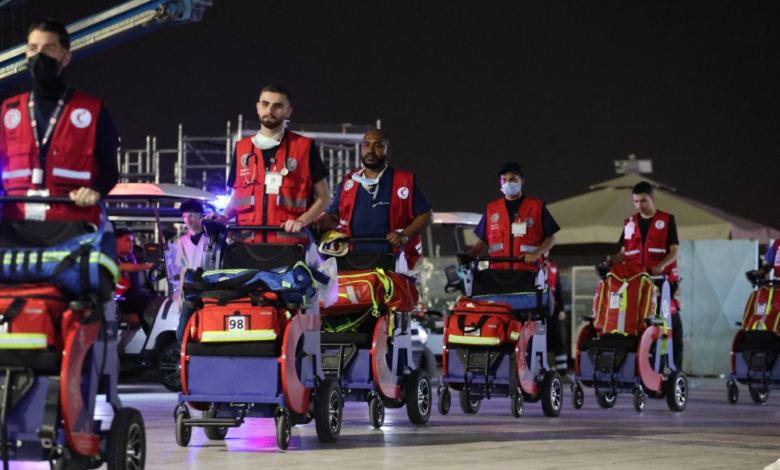

تواصل هيئة الهلال الأحمر بالمدينة المنورة، بعد انتهاء موسم الحج، تقديم خدماتها الإسعافية والإنسانية المكثفة لضيوف الرحمن الذين يتوافدون على مدينة الرسول ﷺ لزيارة المسجد النبوي الشريف. وتأتي هذه الجهود ضمن الخطة التشغيلية المعتمدة لموسم حج 1447هـ، والتي تضمن استمرارية الرعاية الصحية الطارئة للحجاج والزوار على مدار الساعة، في مرحلة لا تقل أهمية عن أيام المناسك نفسها.
وتعتبر خدمة الحجاج والمعتمرين شرفاً عظيماً ومسؤولية تاريخية تضطلع بها المملكة العربية السعودية، حيث تسخر كافة قطاعاتها لضمان راحة وسلامة الملايين الذين يفدون إلى الأماكن المقدسة سنوياً. وتلعب هيئة الهلال الأحمر السعودي دوراً محورياً في هذه المنظومة، بما تمتلكه من خبرة طويلة تمتد لعقود في إدارة الحشود وتقديم الخدمات الطبية الطارئة في الظروف التي تتطلب أعلى درجات الجاهزية، مما يعكس التزام المملكة الراسخ تجاه العالم الإسلامي.
منظومة متكاملة لرعاية الحجاج في طيبة الطيبة
أوضح الدكتور أحمد بن علي الزهراني، مدير عام فرع الهيئة بمنطقة المدينة المنورة، أن الفرق الإسعافية تواصل عملها الميداني دون انقطاع. ويتركز الانتشار المكثف حول المسجد النبوي وساحاته، والمواقع التاريخية التي يرتادها الزوار، والمناطق المركزية ذات الكثافة العالية. يهدف هذا التوزيع الاستراتيجي إلى ضمان سرعة الوصول إلى أي حالة طارئة والتعامل معها بفعالية فور تلقي البلاغ، وهو ما يساهم في الحفاظ على الأرواح وتقليل المضاعفات الصحية المحتملة.
تقنيات متطورة واستجابة سريعة من الهلال الأحمر بالمدينة
ولتعزيز هذه الجهود، سخرت الهيئة كافة إمكاناتها البشرية والتشغيلية لدعم هذه المرحلة الهامة. وتشمل هذه الإمكانات فرقاً إسعافية متخصصة، ووحدات للتدخل السريع، وعربات كهربائية صديقة للبيئة، بالإضافة إلى عربات الغولف التي تسهل التنقل في المناطق المزدحمة. كما تقف منظومة الإسعاف الجوي على أهبة الاستعداد للتعامل مع الحالات الحرجة التي تتطلب نقلاً سريعاً إلى المستشفيات المتقدمة، وذلك وفقاً لأعلى المعايير العالمية.
وأضاف الزهراني أن مركز الترحيل الطبي بالمنطقة يواصل استقبال البلاغات عبر رقم الطوارئ الموحد (997) وتطبيق “أسعفني”، مع متابعة أداء الفرق ميدانياً عبر أنظمة تتبع متطورة لضمان جودة الخدمة. وأكد أن العمل يسير بتنسيق وتكامل تام مع شركاء الاستجابة والجهات ذات العلاقة في المنطقة، بهدف تعزيز الجاهزية التشغيلية والمحافظة على سلامة وصحة حجاج بيت الله الحرام وزوار مسجد رسوله الكريم. إن هذه الجهود لا تقتصر أهميتها على المستوى المحلي فقط، بل تمتد لتشكل رسالة طمأنة للعالم الإسلامي بأسره، مؤكدةً على التزام المملكة بتوفير أقصى درجات الرعاية لضيوف الرحمن.