
في إنجاز بيئي بارز يعكس التزامها الراسخ بالاستدامة، أعلنت البحر الأحمر الدولية عن نجاحها في تجنب ما يقارب 117,879 طناً من انبعاثات ثاني أكسيد الكربون خلال عام 2024. ويأتي هذا الرقم، الذي تم اعتماده رسمياً من قبل جهة التحقق المستقلة المرموقة (DNV)، تتويجاً لجهود الشركة في الاعتماد الكامل على الطاقة المتجددة وتطبيق عمليات منخفضة الكربون في واحدة من أكثر وجهات العالم السياحية طموحاً. هذا الإنجاز لا يمثل مجرد رقم، بل يعادل الأثر البيئي لإزالة حوالي 27,500 سيارة من الطرقات لمدة عام كامل، أو توفير استهلاك الكهرباء السنوي لنحو 24,500 منزل، مما يوضح حجم التأثير الإيجابي لهذه المبادرات.
رؤية 2030 وقصة التحول الأخضر
يأتي هذا التقدم في سياق أوسع يتماشى مع أهداف رؤية المملكة 2030، التي تهدف إلى تنويع الاقتصاد السعودي وتقليل الاعتماد على النفط، مع التركيز بشكل كبير على تطوير قطاعات جديدة مثل السياحة المستدامة. وتُعد “البحر الأحمر الدولية” أحد المشاريع العملاقة لصندوق الاستثمارات العامة، والتي تمثل حجر الزاوية في هذه الرؤية الطموحة. فمنذ انطلاقها، لم تهدف الوجهة إلى أن تكون مجرد منتجع سياحي فاخر، بل أن تصبح نموذجاً عالمياً رائداً في مجال السياحة المتجددة، التي لا تكتفي بالحفاظ على البيئة، بل تسعى إلى تعزيزها وتحسينها للأجيال القادمة.
بنية تحتية خضراء: كيف حققت البحر الأحمر الدولية هذا الإنجاز؟
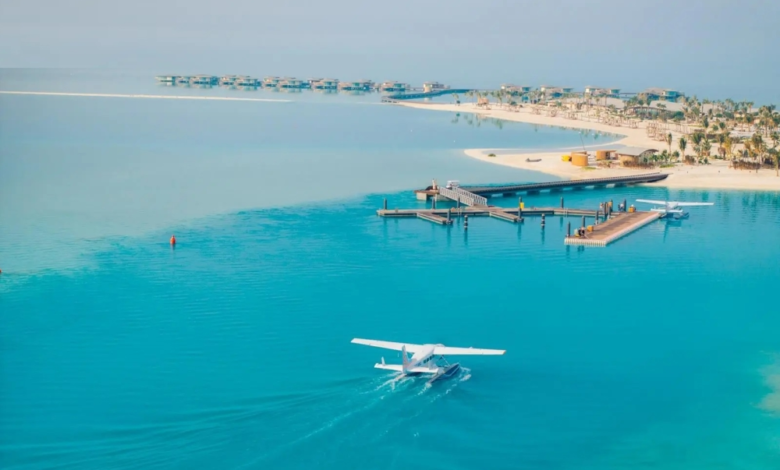
يعود الفضل في تحقيق هذه النتائج المذهلة إلى الالتزام الصارم بتشغيل وجهة “البحر الأحمر” بالكامل عبر مصادر الطاقة النظيفة بنسبة 100%. وتعتمد البنية التحتية للمشروع على شبكة ضخمة تضم أكثر من 760,000 لوحة شمسية، مدعومة بأكبر منشأة لتخزين البطاريات في العالم، مما يضمن توفير إمدادات طاقة نظيفة ومستقرة على مدار الساعة. وعلى صعيد التنقل المستدام، تشغّل الشركة أسطولاً متطوراً من المركبات والحافلات الكهربائية، تدعمه شبكة واسعة تضم 150 محطة شحن تعمل بالطاقة المتجددة. كما اتخذ مطار “البحر الأحمر الدولي” خطوات سبّاقة عبر البدء في استخدام وقود الطيران المستدام (SAF) للطائرات المائية، مع خطط لتوسيع استخدامه ليشمل الرحلات التجارية، مما يرسخ مكانة المشروع كقائد في الابتكار البيئي.
تأثير يتردد صداه عالمياً
صرح رائد البسيط، الرئيس التنفيذي للبيئة والاستدامة في “البحر الأحمر الدولية”، قائلاً: “إن تجنب ما يقارب 118 ألف طن من الانبعاثات في هذه المرحلة المتقدمة من التطوير يبرهن على القوة التأثيرية لدمج معايير الاستدامة في صلب العمليات منذ اليوم الأول”. وأضاف: “مع توسّع وجهاتنا، سيتضاعف هذا الأثر الإيجابي، لنثبت للعالم أن السياحة الفاخرة يمكن أن تكون المحرك الأول لحماية الطبيعة وتجديدها”. إن هذه الإجراءات تمثل ركيزة أساسية في رحلة الشركة نحو تحقيق الحياد الصفري للانبعاثات (النطاقين الأول والثاني) بحلول عام 2030، وتدعم بقوة مساعي المملكة للوصول إلى الحياد الصفري بحلول عام 2060، مما يعزز مكانتها كنموذج عالمي يجمع بين التنمية الطموحة والمسؤولية البيئية.