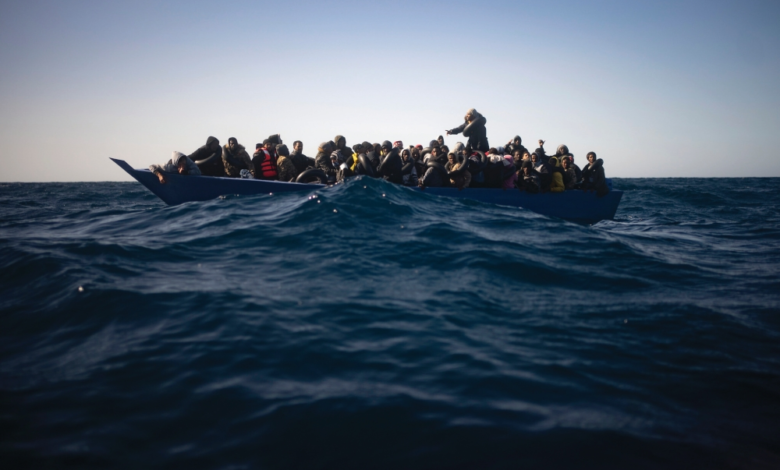

Worsening humanitarian crisis on the eastern migration route
The UN's International Organization for Migration (IOM) has released a shocking statistic highlighting a worsening humanitarian crisis, reporting that more than 900 migrants were killed or went missing in the Red Sea during 2025. This shocking figure makes this year the "deadliest year on record" for those seeking a better life via the so-called "Eastern Route," the sea and land corridor linking the Horn of Africa and the Arabian Peninsula.
The historical context of the "Eastern Route"
Historically, the Eastern Route is one of the world's busiest and most dangerous migration corridors. For decades, tens of thousands of migrants have traversed this perilous route annually, primarily from Ethiopia and Somalia, crossing the coast of Djibouti to reach Yemen. Their main objective is to reach the oil-rich Gulf states, fleeing the triple threat of armed conflict, natural disasters, and dire economic conditions plaguing their home countries.
Record numbers of victims in 2025
In detailing the tragic situation, Tania Pacifico, head of the International Organization for Migration (IOM) mission, confirmed in a press statement that 2025 saw a record number of victims. The number of dead and missing reached 922, double the number recorded the previous year. She noted that the vast majority of these victims were Ethiopian nationals, reflecting the scale of internal suffering in this African country.
The roots of the crisis: conflict and poverty in Ethiopia
To understand the roots of this crisis, one must examine the internal situation in Ethiopia, the second most populous country in Africa, with nearly 130 million inhabitants. World Bank reports indicate that more than 40% of Ethiopians live below the poverty line. Adding to the crisis is the country's recent emergence from a brutal civil war in the northern Tigray region, which lasted from 2020 to 2022 and resulted in the deaths of more than 600,000 people, according to estimates by the African Union. Even today, the repercussions of the war persist, with local sources reporting the deaths of approximately 1,300 people in displacement camps in Tigray due to starvation and severe shortages of medicine.
Ongoing economic challenges
On the economic front, despite the International Organization for Migration's projections of nearly 10% economic growth in Ethiopia by 2026, which could theoretically reduce migration flows, the current reality paints a different picture. High inflation rates, which approached 10% last February, undermine any tangible economic progress and increase the cost of living for citizens, pushing more young people to risk their lives to become migrants in the Red Sea.
Yemen: A transit point turns into a deadly trap
The tragedy doesn't end with crossing the sea; it takes on another form of suffering upon reaching the Yemeni coast. Many migrants who survive the perilous journey find themselves stranded in Yemen, the poorest country in the Arabian Peninsula, which has been ravaged by a devastating civil war for nearly a decade. There, they struggle to survive in dire humanitarian conditions, often falling victim to human trafficking and extortion networks. These tragic circumstances drive some to make the desperate decision to return along the same perilous route.
Regional and international impact
The escalating migrant crisis in the Red Sea has serious regional and international repercussions. It places immense pressure on transit and destination countries and requires urgent intervention from the international community. The solution lies not only in strengthening maritime search and rescue operations and combating smuggling networks, but also in addressing the root causes of migration by supporting political stability and economic development in the Horn of Africa, to ensure that the Red Sea does not become an open graveyard for those seeking hope.