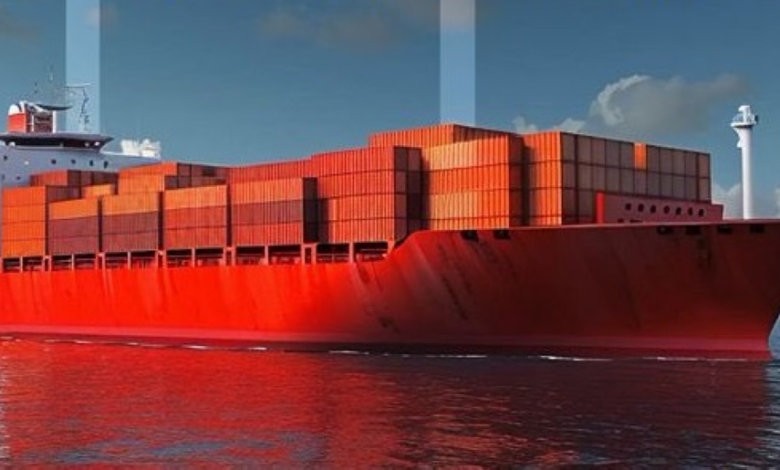

A qualitative leap in the capabilities of Red Sea ports
In a move reflecting the rapid development of the maritime sector, Saudi Arabia's Red Sea ports have achieved a record handling capacity exceeding 112,000 TEUs (twenty-foot equivalent units) per week. This exceptional achievement enhances the efficiency of global supply chains and maritime trade through strategic collaborations with major international shipping lines. The Kingdom's key container ports on the west coast are at the forefront of the logistics landscape, forming a cornerstone in supporting the resilience of maritime trade at both regional and international levels.
Details of the massive operational capabilities of Saudi ports
The Saudi Ports Authority (Mawani) revealed figures reflecting significant operational capabilities, with Jeddah Islamic Port accounting for the largest share with a weekly capacity of 101,047 TEUs, confirming its position as the region's leading hub port. The operational framework also showed that King Abdullah Port contributes significantly by handling 8,615 TEUs weekly. Meanwhile, Jazan Port for Basic and Downstream Industries supports this trade with a capacity of up to 2,500 TEUs per week. The regulatory body explained that these high capacities are the result of strategic cooperation with major international shipping lines and feeder vessel companies to expedite maritime transport.
Strategic context and the Kingdom's Vision 2030
This remarkable development cannot be separated from the broader context and strategic framework adopted by the Kingdom of Saudi Arabia within its Vision 2030. The National Transport and Logistics Strategy aims to solidify the Kingdom's position as a global logistics hub connecting three continents: Asia, Europe, and Africa. The Red Sea represents a vital trade artery, through which approximately 13% to 15% of global trade passes. Therefore, investing in the development of Red Sea port infrastructure is a proactive step to ensure the sustainable flow of goods and safeguard supply chains against any potential global fluctuations or crises.
Local and regional economic impact
Domestically, increasing handling capacity to over 112,000 containers per week directly supports the national economy by facilitating the movement of non-oil exports and imports, positively impacting the Kingdom's industrial and commercial sectors. This expansion also creates new job opportunities and supports local content. Regionally, this enhanced maritime connectivity strengthens the Red Sea ports' readiness to accommodate the increasing flow of containers from neighboring countries, positioning Saudi ports as a key transit hub and a pivotal transit center serving the markets of the Middle East and North Africa with high efficiency.
Enhancing the stability of international maritime trade
Internationally, this advanced operational performance reflects the Saudi maritime sector's commitment to enhancing the efficiency of maritime supply chains and ensuring the smooth and reliable delivery of goods to global markets. Amid the challenges facing the global shipping industry, Saudi ports offer safe and rapid logistical alternatives, reducing shipping costs and waiting times. The integrated efforts between Saudi Ports Authority (Mawani) and global companies guarantee the continued flow of vital goods and underscore the Kingdom's leading role in stabilizing the global economy and fostering the growth of international trade.