
في ظل التوترات الجيوسياسية المتصاعدة، أطلقت منظمة الأمم المتحدة للأغذية والزراعة (الفاو) تحذيراً شديد اللهجة بشأن التداعيات الخطيرة لتعطل حركة التجارة البحرية عبر مضيق هرمز، مؤكدة أن هذا الاضطراب يشكل صدمة عنيفة للأنظمة الغذائية العالمية. وتأتي هذه التحذيرات في وقت يشهد فيه العالم تحديات اقتصادية متتالية، مما يضع الأمن الغذائي العالمي على المحك.
السياق العام والأهمية الاستراتيجية لمضيق هرمز
يُعد مضيق هرمز واحداً من أهم الممرات المائية الاستراتيجية في العالم، حيث يربط بين الخليج العربي وخليج عمان وبحر العرب. تاريخياً، لعب هذا المضيق دوراً حيوياً في شريان التجارة الدولية، ويعتبر البوابة الرئيسية لتصدير النفط من منطقة الشرق الأوسط إلى الأسواق العالمية، حيث يمر عبره نحو خُمس استهلاك العالم من النفط يومياً. وتعتمد الأسواق العالمية بشكل كبير على هذا الممر المائي لضمان استقرار أسعار الطاقة. وأي تعطل في حركة الملاحة فيه ينعكس فوراً على تكاليف الإنتاج والنقل في مختلف القطاعات، وعلى رأسها القطاع الزراعي الذي يعتمد بكثافة على مشتقات الطاقة لإنتاج الأسمدة وتشغيل الآلات الزراعية.
تأثير الأزمة على حركة الشحن وتكاليف الإنتاج
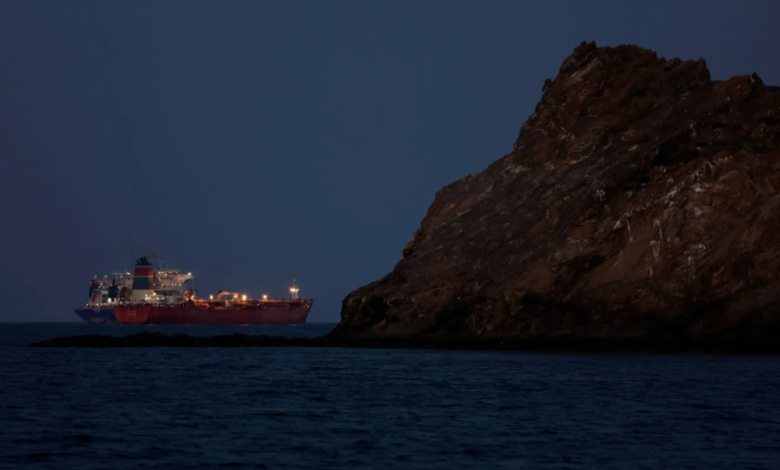
أوضحت تقارير منظمة الفاو أن حركة الشحن التجاري عبر المضيق قد شهدت انخفاضاً حاداً تجاوزت نسبته 90% نتيجة التوترات الأخيرة. هذا التراجع المخيف أدى بشكل مباشر إلى إعاقة تدفقات النفط والغاز، والأهم من ذلك، إمدادات الأسمدة الزراعية الحيوية. ونتيجة لهذه الاختناقات اللوجستية، ارتفعت تكاليف النقل البحري ورسوم التأمين على السفن التجارية بشكل غير مسبوق، مما يضيف أعباء مالية ضخمة على كاهل المنتجين والمستهلكين على حد سواء، ويهدد سلاسل الإمداد العالمية.
ارتفاع الأسعار وتهديد الدول المعتمدة على الواردات
أشارت المنظمة الدولية إلى أن أسعار الأسمدة الزراعية قد بدأت بالفعل في الارتفاع الملحوظ، مع وجود توقعات اقتصادية متشائمة ترجح زيادة إضافية قد تصل إلى 20% خلال الأشهر القليلة المقبلة. هذا الارتفاع الصاروخي في مدخلات الإنتاج سيؤدي حتماً إلى رفع تكاليف الإنتاج الزراعي بشكل عام. وإذا استمرت هذه الأزمة دون حلول جذرية، فإنها قد تجبر المزارعين على تقليص المساحات المزروعة أو تغيير أنماط الزراعة التقليدية، مما يؤدي إلى انخفاض حاد في حجم الإنتاج الغذائي العالمي.
وعلى الصعيدين الإقليمي والدولي، سيكون التأثير أكثر قسوة على الدول النامية المعتمدة بشكل أساسي على استيراد الغذاء لتلبية احتياجات شعوبها. وقد خصت الفاو بالذكر دولاً مثل مصر، والسودان، وبنغلاديش، حيث ستواجه هذه الدول تحديات مضاعفة في تأمين السلع الغذائية الأساسية بأسعار معقولة، مما قد ينذر بأزمات اجتماعية واقتصادية داخلية تتطلب تدخلاً سريعاً.
دعوة عاجلة للتحرك الدولي
في مواجهة هذا الخطر المحدق، دعت منظمة الفاو المجتمع الدولي إلى اتخاذ إجراءات فورية وعاجلة لتخفيف وطأة الأزمة. وتشمل هذه الإجراءات ضرورة البحث عن وفتح ممرات تجارية بحرية وبرية بديلة لضمان استمرار تدفق السلع الأساسية. كما شددت المنظمة على أهمية تقديم الدعم المالي والتقني للدول الأكثر تضرراً، إلى جانب تعزيز الاستثمارات الاستراتيجية في قطاع الزراعة المستدامة لتقليل الاعتماد على المدخلات المستوردة وبناء أنظمة غذائية أكثر مرونة.