
مقدمة عن التحولات الجيوسياسية في الشرق الأوسط
تشهد منطقة الشرق الأوسط تسارعاً كبيراً في وتيرة الأحداث والتحولات الجيوسياسية والاقتصادية، مما يطرح تساؤلات جوهرية حول ماذا تفرض تحولات المنطقة على دول الخليج العربي. في ظل هذه التغيرات الجذرية، تجد دول مجلس التعاون الخليجي نفسها أمام ضرورة ملحة لإعادة تقييم استراتيجياتها الشاملة للتعامل مع واقع إقليمي ودولي جديد يتسم بالتعقيد وسرعة التغير.
السياق العام والخلفية التاريخية
تاريخياً، لطالما كانت منطقة الخليج العربي محوراً أساسياً في السياسة العالمية نظراً لموقعها الاستراتيجي واحتياطياتها الهائلة من الطاقة التي تغذي الاقتصاد العالمي. منذ تأسيس مجلس التعاون لدول الخليج العربية في مطلع الثمانينيات، سعت هذه الدول إلى توحيد جهودها لمواجهة التحديات الأمنية والسياسية والاقتصادية. ومع توالي الأزمات الإقليمية المتعددة، أثبتت دول الخليج قدرتها الفائقة على الحفاظ على استقرارها النسبي وسط محيط مضطرب. ومع ذلك، فإن التحولات الحالية تختلف جذرياً في طبيعتها وسرعتها، حيث تتداخل العوامل الجيوسياسية مع التغيرات الجذرية في موازين القوى العالمية، وظهور نظام عالمي يتجه نحو التعددية القطبية.
التحديات الاقتصادية وتنويع مصادر الدخل
على الصعيد الاقتصادي، تفرض تحولات المنطقة على دول الخليج تسريع خطط التنويع الاقتصادي وتقليل الاعتماد المفرط على العائدات النفطية، خاصة مع التوجه العالمي نحو التحول في مجال الطاقة ومكافحة التغير المناخي. إن الرؤى الاستراتيجية الطموحة، مثل رؤية السعودية 2030، ورؤية الإمارات 2031، ورؤية قطر الوطنية 2030، وغيرها من الخطط التنموية في سلطنة عمان والبحرين والكويت، تعكس إدراكاً خليجياً عميقاً لأهمية التحول نحو اقتصاد المعرفة، والاستثمار في التكنولوجيا المتقدمة، والذكاء الاصطناعي، ومشاريع الطاقة المتجددة والنظيفة لضمان استدامة النمو الاقتصادي للأجيال القادمة.
أهمية الحدث وتأثيره المتوقع (محلياً، إقليمياً، ودولياً)
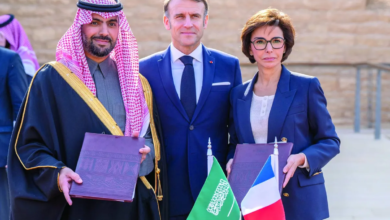
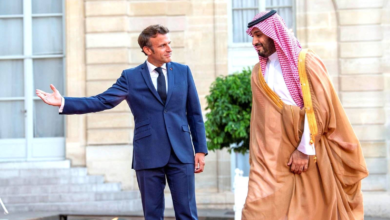
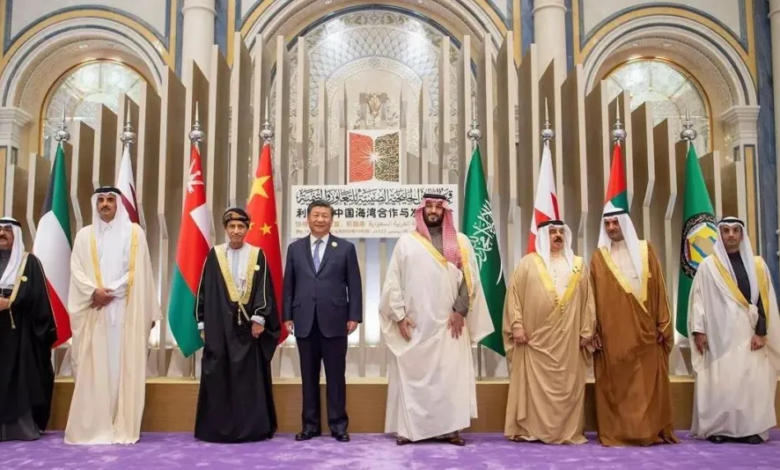
تبرز أهمية هذه التحولات وتأثيرها المتوقع بوضوح على عدة أصعدة مترابطة. محلياً، تدفع هذه التغيرات المتسارعة نحو تعزيز الجبهة الداخلية، وتطوير البنية التحتية الرقمية واللوجستية، والتركيز على الابتكار وتمكين الشباب والمرأة في سوق العمل. إقليمياً، تلعب دول الخليج اليوم دوراً متزايد الأهمية كوسطاء موثوقين للسلام وصناع للاستقرار في الشرق الأوسط، حيث تسعى جاهدة إلى تصفير المشاكل، وتخفيف حدة التوترات، وبناء شراكات اقتصادية واستراتيجية متينة مع دول الجوار الإقليمي لضمان أمن الملاحة وتدفق التجارة. دولياً، تفرض هذه التحولات المعقدة على دول الخليج ضرورة تنويع تحالفاتها الاستراتيجية، وعدم الاكتفاء بالشراكات التقليدية السابقة، بل التوجه بذكاء نحو بناء علاقات قوية ومتوازنة مع قوى عالمية صاعدة مثل الصين والهند، بالتوازي مع الحفاظ على العلاقات التاريخية والاستراتيجية العميقة مع الولايات المتحدة والدول الأوروبية.
خلاصة
ختاماً، يمكن التأكيد على أن ما تفرضه تحولات المنطقة على دول الخليج يتطلب درجات غير مسبوقة من المرونة السياسية والاقتصادية والدبلوماسية. إن القدرة الفائقة على التكيف مع هذه التغيرات الجيوسياسية السريعة، واستثمار الفرص الاقتصادية الناشئة، سيعزز بلا شك من مكانة دول مجلس التعاون الخليجي كقوة إقليمية ودولية فاعلة ومؤثرة، قادرة على حماية مصالحها الوطنية ورسم ملامح مستقبلها بيديها وسط منطقة وعالم يموجان بالتحولات المستمرة.