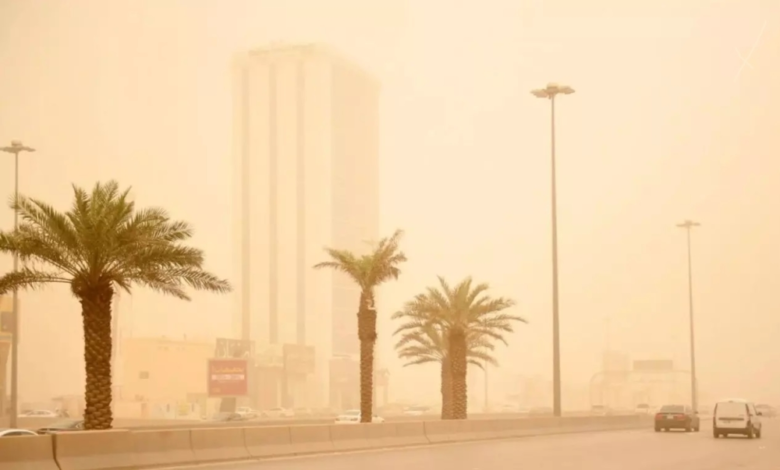

في متابعة دقيقة للظواهر الجوية التي تؤثر على المنطقة، أعلن المركز الإقليمي للعواصف الغبارية والرملية عن تسجيل 61 ساعة من الحالات الغبارية في دول الإقليم خلال يوم 03 يونيو 2026. هذا التقرير، الذي يأتي ضمن جهود الرصد والمتابعة المستمرة، يسلط الضوء على حجم انتشار العواصف الغبارية وتأثيرها على جودة الهواء والرؤية الأفقية في عدد من الدول، مما يؤكد على أهمية الاستعداد لمواجهة هذه الظاهرة الطبيعية المتكررة.
ووفقًا للبيانات الصادرة عن المركز، تصدرت أوزبكستان القائمة بأكبر عدد من الساعات الغبارية المسجلة، حيث بلغت 20 ساعة. وتلتها إيران بـ 17 ساعة، ثم تركمانستان بـ 9 ساعات. كما سجلت باكستان 5 ساعات، وكازاخستان 4 ساعات، بينما شهدت كل من مصر والأردن 3 ساعات من الحالات الغبارية. في المقابل، لم تسجل بقية دول الإقليم أي ساعات غبارية خلال فترة الرصد المذكورة.
ما وراء الأرقام: فهم ظاهرة العواصف الغبارية المتكررة
تُعد منطقة الشرق الأوسط وآسيا الوسطى جزءًا من “حزام الغبار” العالمي، وهي مناطق تتميز ببيئتها الصحراوية وشبه القاحلة التي تجعلها مصدرًا رئيسيًا للعواصف الرملية والترابية. وتنشأ هذه الظواهر نتيجة لعدة عوامل طبيعية، أبرزها الرياح القوية التي تهب على التربة الجافة والمفككة، فترفع كميات هائلة من الرمال والغبار إلى الغلاف الجوي. وتتفاقم هذه المشكلة بسبب عوامل بشرية مثل التصحر، وتدهور الأراضي، والجفاف الناجم عن تغير المناخ، بالإضافة إلى تجفيف المسطحات المائية مثل بحر آرال، مما يزيد من مساحة الأراضي الجافة المعرضة للتآكل بفعل الرياح.
تأثيرات تتجاوز الحدود: من الصحة إلى الاقتصاد
لا يقتصر تأثير العواصف الغبارية على تدني الرؤية الأفقية، بل يمتد ليشمل جوانب حيوية متعددة. على الصعيد الصحي، تحمل هذه العواصف جزيئات دقيقة من الغبار والمواد الملوثة التي يمكن أن تتسبب في مشاكل تنفسية حادة، خاصة لدى مرضى الربو والحساسية وكبار السن والأطفال. أما اقتصاديًا، فتؤدي إلى شلل في قطاعات حيوية، حيث تتسبب في تعطيل حركة الملاحة الجوية والبرية، وتؤثر سلبًا على الإنتاج الزراعي من خلال تغطية المحاصيل بطبقة من الغبار، كما تقلل من كفاءة ألواح الطاقة الشمسية، مما يؤثر على قطاع الطاقة المتجددة.
وأكد المركز الإقليمي أن هذه البيانات تأتي ضمن منظومة الرصد التي تهدف إلى متابعة تطورات الظواهر الغبارية، وتحليل أنماط انتشارها، ودعم جهود الإنذار المبكر للحد من آثارها البيئية والصحية. ويواصل المركز أعمال الرصد والبحث بالتعاون مع الجهات الوطنية والإقليمية المعنية لتعزيز الجاهزية ورفع مستوى الوعي بالمخاطر المصاحبة لهذه الظواهر الطبيعية.