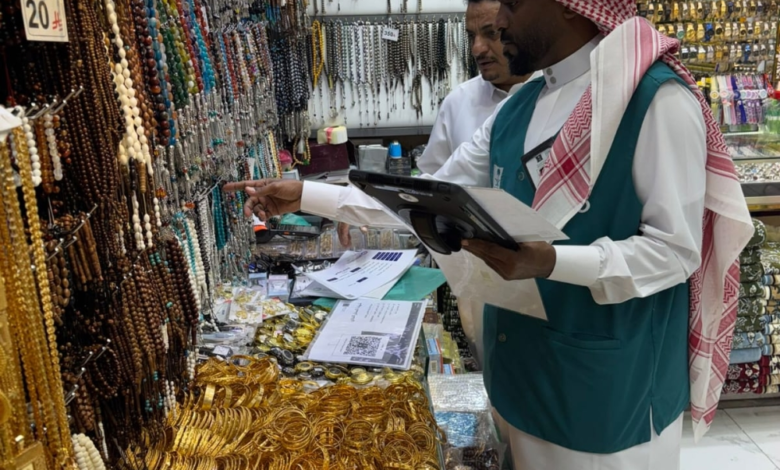

مع بدء توافد حجاج بيت الله الحرام إلى المدينة المنورة بعد إتمامهم مناسك الحج، كثفت وزارة التجارة السعودية جهودها من خلال تنفيذ جولات رقابية وتموينية شاملة على الأسواق والمنافذ التجارية في المدينة. تهدف هذه الجولات الاستباقية إلى متابعة الحالة التموينية، وضمان وفرة السلع والمنتجات الأساسية، والتأكد من جاهزية المنشآت التجارية لتقديم أفضل الخدمات لضيوف الرحمن.
تكتسب هذه الإجراءات أهمية خاصة بالنظر إلى المكانة الروحية العظيمة للمدينة المنورة في قلوب المسلمين، فهي المدينة التي احتضنت النبي محمد صلى الله عليه وسلم ودعوته، وتضم المسجد النبوي الشريف. تاريخياً، شكلت زيارة المدينة المنورة جزءاً لا يتجزأ من رحلة الحج الإيمانية، حيث يتوافد ملايين الحجاج إليها بعد أداء مناسكهم للصلاة في المسجد النبوي والسلام على الرسول الكريم وصاحبيه، مما يخلق طلباً استثنائياً على السلع والخدمات.
وتقوم الفرق الرقابية التابعة للوزارة بجولات ميدانية مكثفة تغطي مختلف المواقع الحيوية التي يرتادها الزوار. وتشمل هذه الجولات المنطقة المركزية المحيطة بالمسجد النبوي، ومسجد قباء، ومسجد القبلتين، بالإضافة إلى محطة قطار الحرمين السريع التي تشهد حركة وصول ومغادرة عالية. كما تمتد الرقابة لتشمل الأسواق الكبرى، والمراكز التجارية، وأسواق الذهب والمجوهرات، والمنشآت التجارية الواقعة على الطرق الرئيسية المؤدية إلى المسجد النبوي، بهدف التحقق من التزام جميع المنشآت بالأنظمة والتعليمات، ومراقبة الأسعار، ومنع أي ممارسات تجارية غير نظامية قد تؤثر على تجربة الحجاج.
تأتي هذه الجهود المكثفة في إطار حرص حكومة المملكة العربية السعودية على توفير أقصى درجات الراحة والطمأنينة لضيوف الرحمن. إن ضمان استقرار الأسواق وتوافر السلع الأساسية بأسعار معقولة لا يساهم فقط في تحسين التجربة الروحانية للحجاج، بل يعكس أيضاً الصورة الحضارية للمملكة وقدرتها الفائقة على إدارة وتنظيم مواسم الحج والعمرة بكفاءة عالية. وتعد هذه الإجراءات جزءاً من منظومة خدمات متكاملة تقدمها مختلف القطاعات الحكومية والخاصة لخدمة زوار الحرمين الشريفين، بما يتماشى مع مستهدفات رؤية المملكة 2030 الرامية إلى إثراء التجربة الدينية والثقافية للحجاج والمعتمرين.