Rehabilitation of 4.7 million hectares of floodplains and meadows in Saudi Arabia

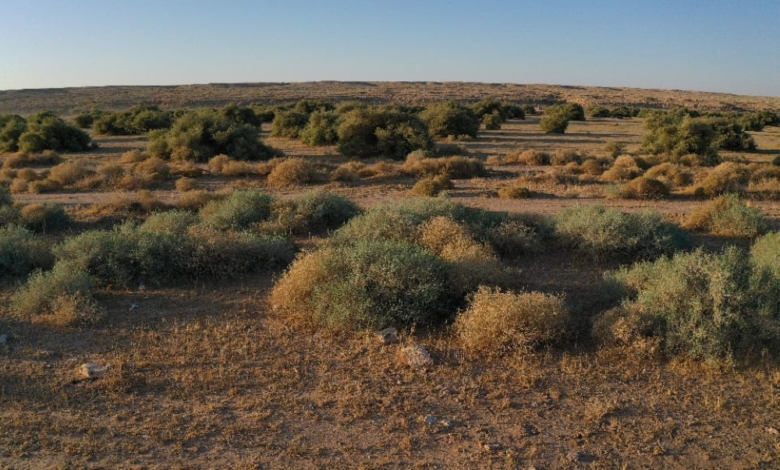
The National Center for Vegetation Development and Combating Desertification in Saudi Arabia continues its tireless efforts to implement an ambitious national initiative aimed at developing and rehabilitating "floodplains and low-lying areas"—areas where rainwater collects and which are characterized by high fertility. This initiative targets a vast area estimated at approximately 4.7 million hectares of natural land, as part of a comprehensive strategy to enhance environmental sustainability and achieve the goals of the Kingdom's Vision 2030.
Environmental context and the Saudi Green Initiative
This step comes as a natural extension of the Kingdom's efforts to address climate challenges. These initiatives fall under the umbrella of the "Saudi Green Initiative," launched by the Saudi Crown Prince, which aims to plant 10 billion trees and combat desertification. The meadows and valleys are among the most important environmental components of the Arabian Peninsula, having historically served as green havens and natural pastures. However, they have been subjected to environmental and grazing pressures and drought over the past decades, making the National Center's intervention an urgent necessity to restore their ecological balance.
Qualification mechanisms and technologies used
The center explained that the rehabilitation plan is based on a precise scientific methodology that includes several tracks:
- Intensive cultivation: Planting native trees and shrubs adapted to the desert environment to enhance vegetation cover.
- Seed scattering: Using seeds of native grazing plants to re-establish grass cover.
- Water harvesting: Applying advanced engineering techniques to harvest rainwater and floodwater to ensure sustainable irrigation for these areas.
- Protection and monitoring: Securing natural sites and preventing encroachments to ensure the sustainability of plant growth.
The economic and environmental importance of the floods
The lands of Al-Fayyad and Al-Riyadh possess strategic importance that transcends their mere green spaces; they represent the first line of defense against dust storms and sand encroachment that impact cities and infrastructure. The center also noted that these environments play a pivotal role in carbon sequestration, contributing to international efforts to mitigate global warming. Economically, these areas, with their fertile and deep clay soils, provide an ideal environment for supporting livestock through natural grazing, as well as encouraging beekeeping and honey production as a sustainable economic activity for local communities.
Geographical distribution and ecotourism
The center indicated that the Kingdom is home to more than a thousand meadows and valleys, most of which are concentrated in the central and northeastern regions, and vary considerably in size. Among the most famous and popular of these sites are Rawdat Khuraim, Rawdat Tanhat, Rawdat Khufs, and the meadows of As-Saman and Al-Hajrah. The center aims to transform these sites into major ecotourism destinations, thereby enhancing the quality of life and providing natural retreats for residents and visitors, while preserving their unique biodiversity.
These efforts underscore the Kingdom’s commitment to protecting its natural resources for future generations, as the center works continuously to monitor and detect encroachments and combat logging, to ensure that these natural oases remain prosperous and sustainable.