Religious manifestations in the region: Identity persists despite changing political history

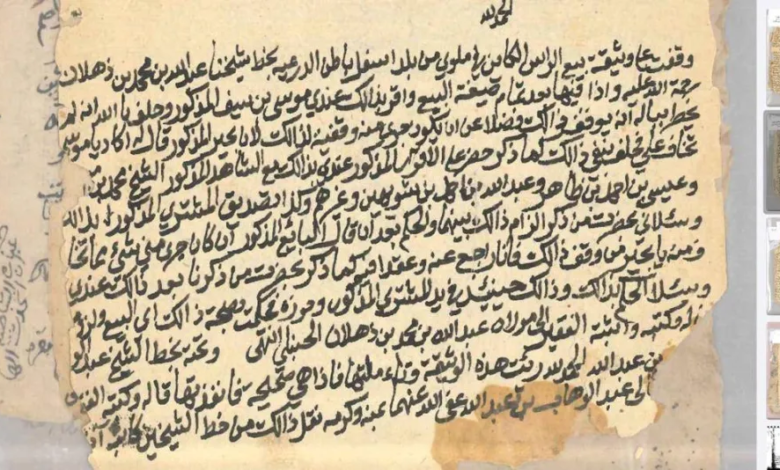
Despite the turbulent transformations the region has witnessed throughout history, and the repeated shifts in political maps, one constant has remained unshaken: the religious manifestations that have remained deeply rooted in the collective consciousness and on the ground. The loss or marginalization of parts of political history, whether due to wars, regime changes, or even the passage of time, has never succeeded in erasing the religious rituals and landmarks that constitute the core of the region's cultural and civilizational identity.
Historical context: Religion as a vehicle for identity
As the cradle of monotheistic religions and ancient civilizations, the region is a stage for a complex interplay between the political and the religious. Historically, empires have fallen and modern states have risen, and geographical boundaries have shifted through international agreements or regional conflicts, sometimes erasing or rewriting certain political narratives. Yet, mosques, churches, places of worship, and religious shrines have remained, bearing witness to the lived history of the people. These landmarks were not merely stones; they were, and continue to be, centers of cultural and social influence that have sustained communities during times of political vacuum or upheaval.
The importance of religious practices and their lasting influence
The importance of the continued practice of religious rituals lies in their ability to provide psychological and social stability for people. When political symbols fade, religious symbols remain a safe haven. On a social level, religious occasions play a pivotal role in strengthening family and community bonds, transcending fleeting political divisions. On an economic and tourism level, religious tourism constitutes a vital pillar of the economies of many countries in the region, as visitors flock to holy sites regardless of the surrounding political climate, confirming that the soft power of religious heritage often prevails over political shifts.
In conclusion: Religious heritage is an undying memory
In conclusion, while political history may be susceptible to being forgotten or distorted, religious manifestations remain indelible. They represent the living memory of the region, the vital link connecting the past and present, affirming that the religious and cultural identity of peoples is the strongest root that cannot be uprooted, no matter how fiercely the winds of political change blow.