Renewed fighting between the Ethiopian army and Tigray threatens the peace agreement

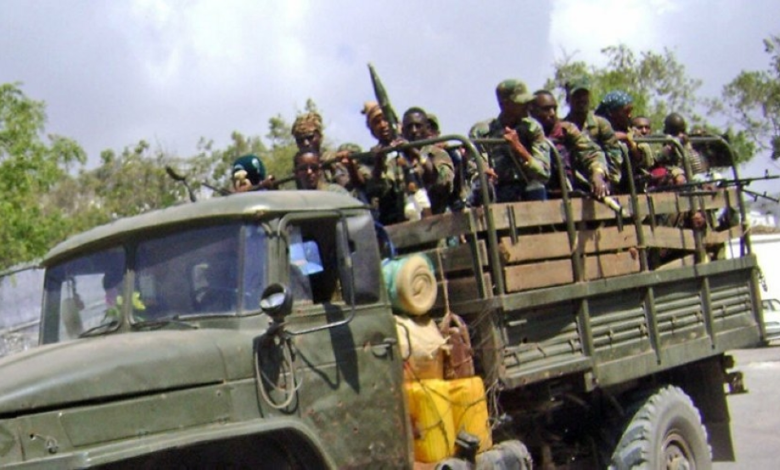
In a dangerous development on the ground that threatens to undermine fragile peace efforts in the Horn of Africa, diplomatic and security sources reported that fierce fighting broke out between the Ethiopian army and forces from the Tigray region , the first of its kind since the signing of the ceasefire agreement in 2022. These clashes coincided with a sudden decision to suspend all commercial flights to the region, signaling a possible escalation in the troubled area.
Details of the field confrontations
Informed sources, who requested anonymity due to the sensitivity of the situation, confirmed that the clashes were concentrated in the Tesmelt area of western Tigray. This area is particularly sensitive as it is a disputed territory, also claimed by forces from the neighboring Amhara region, which was allied with the federal army in the previous war. Reports indicate that Ethiopian Airlines, the only carrier connecting the region to the outside world, suspended its flights immediately after the outbreak of fighting, raising fears of a renewed blockade of the region.
Historical background: The unhealed wound of war
This escalation cannot be understood in isolation from its recent and bloody historical context. Between November 2020 and November 2022, Ethiopia experienced one of the most brutal civil wars of the 21st century. The conflict, which erupted between the federal government under Prime Minister Abiy Ahmed and the Tigray People's Liberation Front (TPLF), resulted in the deaths of at least 600,000 people, according to African Union estimates. International human rights reports suggest the actual number may be much higher due to famine and lack of medical care.
That brutal war ended with the signing of the Pretoria Agreement in South Africa, under the auspices of the African Union. The agreement stipulated the disarmament of Tigrayan forces and the return of federal authority to the region, in exchange for lifting the blockade and guaranteeing access for humanitarian aid. However, several contentious issues, most notably the territorial dispute in western Tigray and the presence of Eritrean forces, remained ticking time bombs threatening the sustainability of this agreement.
Regional repercussions and international concerns
The renewed fighting carries grave implications that extend far beyond Ethiopia's borders. A resumption of hostilities would mean a new humanitarian catastrophe in a region already suffering from food insecurity. Furthermore, the involvement of other actors, such as Amhara militias or Eritrean forces, could broaden the conflict into a regional war, destabilizing the entire Horn of Africa, a region vital to Red Sea security and international trade.
The international community is watching these developments with great concern, as there are fears that these skirmishes could lead to a complete collapse of the peace agreement, returning the country to square one of violence and destruction, and undermining the economic and development efforts that Addis Ababa is trying to revive after two years of relative calm.