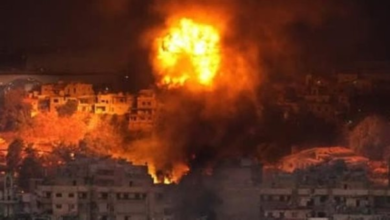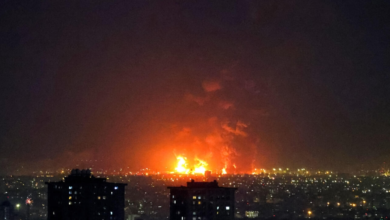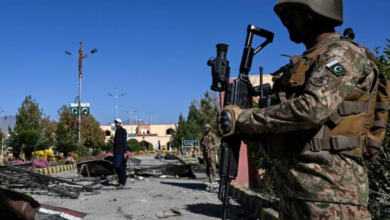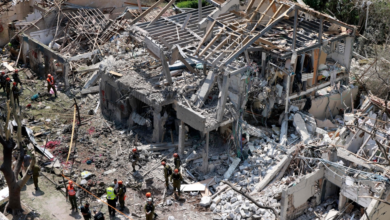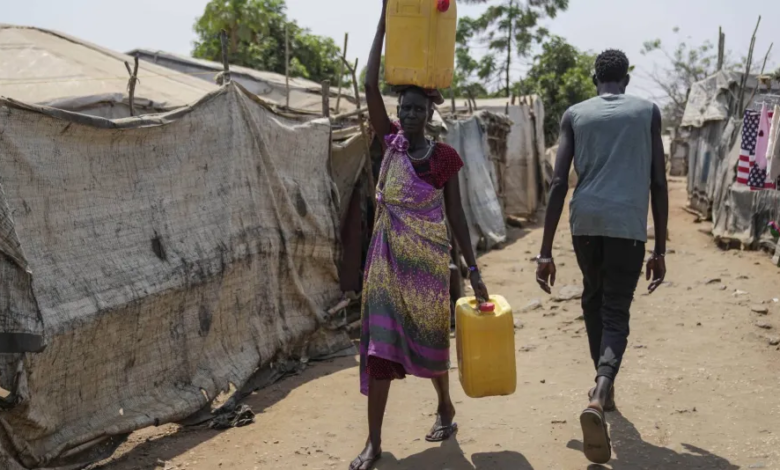

South Sudan has witnessed a new and violent wave of internal fighting, resulting in the deaths of hundreds and the displacement of tens of thousands of civilians forced to flee their homes in search of safety. These tragic developments have revived the specter of civil war, exacerbating the already dire humanitarian situation in the world's newest nation, where infrastructure has almost completely collapsed and aid organizations face immense difficulties in reaching those affected.
Roots of the conflict and background of the crisis
Current events cannot be separated from the complex historical context of the country, which gained independence from Sudan in 2011. Following the brief euphoria of independence, the country descended into a bloody civil war in December 2013, stemming from a political conflict that morphed into an ethnic struggle between forces loyal to President Salva Kiir and those loyal to his deputy, Riek Machar. Despite the signing of a peace agreement in 2018 to end the war, which claimed nearly 400,000 lives, its implementation, particularly regarding security arrangements and the unification of the army, has faced significant obstacles and has been extremely slow, keeping the crisis alive and rendering the peace extremely fragile.
Humanitarian and regional repercussions
The renewed fighting has not only resulted in direct human casualties but also constitutes a transnational humanitarian catastrophe. The ongoing violence has led to massive internal displacement, with thousands seeking refuge in neighboring countries such as Uganda, Sudan, and Ethiopia, placing additional strain on these nations, some of which are already grappling with their own internal crises. The United Nations and international organizations warn that continued violence will exacerbate food insecurity, with millions facing the threat of famine due to disruptions in agriculture and the difficulty of delivering aid.
An uncertain future and calls for calm
Against this grim backdrop, international and regional calls are mounting for an immediate ceasefire and a return to the negotiating table to complete the implementation of the revitalized peace agreement. Observers emphasize that the continued political instability and tribal conflicts over resources and administrative boundaries will remain the greatest obstacle to building a truly institutionalized state in South Sudan, necessitating more effective international intervention to ensure the protection of civilians and prevent the country from descending into widespread chaos that could threaten the stability of the entire Horn of Africa region.