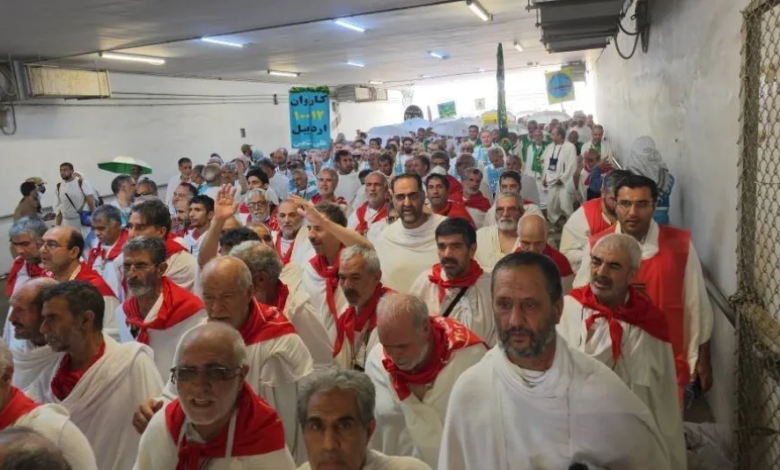

أعلنت السلطات المعنية عن بدء مرحلة تفويج الحجاج إلى بلدانهم بعد إتمام مناسك الحج لموسم 1445هـ، وفي هذا السياق، انطلقت أولى رحلات عودة الحجاج الإيرانيين من المملكة العربية السعودية. وكشف مسؤول إيراني في تصريح لصحيفة «الشرق الأوسط» عن بدء مغادرة 30 ألف حاج إيراني عبر الجو، في عملية لوجستية ضخمة تأتي تتويجاً لموسم حج ناجح شهد تعاوناً وثيقاً بين البلدين.
تفاصيل عملية عودة الحجاج الإيرانيين جوًا
تُمثل عملية إعادة عشرات الآلاف من الحجاج في فترة زمنية قصيرة تحدياً لوجستياً كبيراً تتولاه السلطات السعودية بكفاءة عالية. وتشمل هذه العملية التنسيق المحكم بين هيئة الطيران المدني في البلدين، وإدارة مطاري الملك عبد العزيز الدولي بجدة والأمير محمد بن عبد العزيز الدولي بالمدينة المنورة، بالإضافة إلى شركات الطيران الإيرانية والسعودية. يتم تنظيم الرحلات الجوية على مدار الساعة لضمان نقل الحجاج بسلاسة وأمان، مع توفير كافة الخدمات اللازمة لهم في صالات المطار حتى لحظة صعودهم إلى الطائرات. ويشكل الرقم المعلن، 30 ألف حاج، الدفعة الأولى من إجمالي الحجاج الإيرانيين الذين بلغ عددهم هذا العام أكثر من 87 ألف حاج، مما يعكس حجم الجهود المبذولة لضمان راحتهم وسلامتهم منذ وصولهم وحتى مغادرتهم.
موسم حج ناجح يعكس تطور العلاقات الدبلوماسية
يأتي نجاح تنظيم موسم الحج للإيرانيين هذا العام كدليل ملموس على التحسن الكبير في العلاقات بين المملكة العربية السعودية والجمهورية الإسلامية الإيرانية. فبعد سنوات من التوتر، شهدت العلاقات الثنائية انفراجة تاريخية بوساطة صينية في عام 2023، مما أعاد فتح السفارات وتفعيل قنوات التواصل المباشر. وقد انعكس هذا التقارب بشكل إيجابي ومباشر على ترتيبات الحج، حيث تم التنسيق على أعلى المستويات لضمان توفير كافة التسهيلات للحجاج الإيرانيين. إن نجاح إدارة هذا الملف الحيوي لا يقتصر تأثيره على الجانب الديني والخدمي فحسب، بل يبعث برسائل سياسية إيجابية للمنطقة بأكملها، ويؤكد على أن الحوار والتعاون هما السبيل الأمثل لتعزيز الاستقرار الإقليمي. ويُنظر إلى سلاسة أداء الإيرانيين لمناسكهم وعودتهم المنظمة كخطوة هامة في بناء الثقة وتعميق أواصر التعاون المستقبلي بين القوتين الإقليميتين.
وفي الختام، فإن بدء عودة 30 ألف حاج إيراني يمثل أكثر من مجرد عملية نقل جوي؛ إنه يرمز إلى نجاح موسم الحج 1445هـ ويعتبر ثمرة للجهود الدبلوماسية واللوجستية المشتركة، مما يفتح آفاقاً واعدة لمزيد من التعاون بين الرياض وطهران في مختلف المجالات.