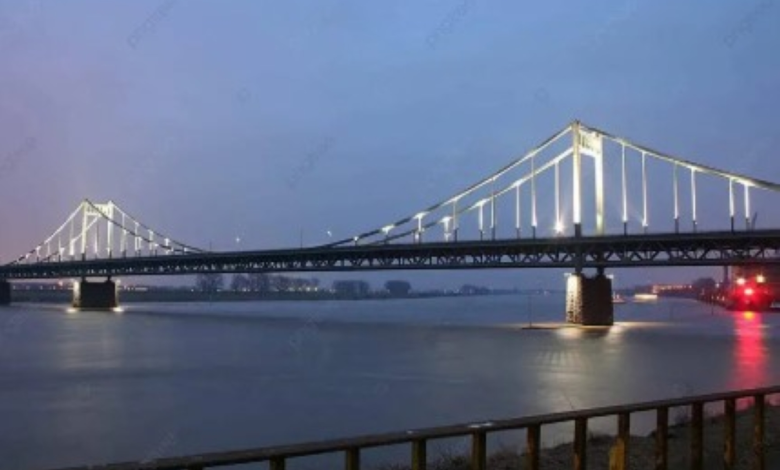

أعلنت السلطات الألمانية، اليوم، عن استئناف الحركة المرورية بشكل كامل على جسر الرين الحيوي في مدينة ليفركوزن غربي البلاد، وذلك بعد إغلاق اضطراري وشامل استمر منذ مساء يوم الأحد الماضي. وجاء هذا القرار بعد التأكد من زوال المخاطر الناجمة عن تساقط كتل جليدية ضخمة من الكابلات العلوية للجسر، مما شكل تهديداً مباشراً لسلامة العابرين والمركبات.
تفاصيل الحادث وإجراءات السلامة
أفادت تقارير الشرطة المحلية بأن الجسر، الذي يمر عبره الطريق السريع الفيدرالي “إيه 1” (A1)، قد تعرض لموجة من الطقس السيئ أدت إلى تشكل صفائح جليدية سميكة على الهياكل العلوية والكابلات الحاملة للجسر. وقد تسبب تساقط هذه الكتل الجليدية في إلحاق أضرار مادية بعدد من المركبات التي كانت تعبر الجسر قبل قرار الإغلاق، مما استدعى تدخلاً فورياً من قبل فرق الطوارئ وإدارة الطرق لإغلاق الجسر في كلا الاتجاهين حفاظاً على الأرواح والممتلكات.
وأشارت المصادر إلى أن عملية إعادة الفتح لم تتم إلا بعد تنفيذ عمليات إزالة معقدة ودقيقة للصفائح الجليدية المتبقية، لضمان عدم تكرار الحادثة، حيث استمرت الفرق المختصة في العمل طوال فترة الإغلاق لتهيئة الجسر لعودة الحركة الطبيعية، في واقعة تم تسجيلها في يناير 2025.
الأهمية الاستراتيجية لجسر الرين والطريق السريع A1
يكتسب هذا الحدث أهمية خاصة نظراً للموقع الاستراتيجي الذي يحتله جسر الرين في ليفركوزن ضمن شبكة المواصلات الألمانية والأوروبية. فالجسر لا يربط فقط بين مدينتي كولونيا وليفركوزن، بل يعد شرياناً رئيسياً في ولاية شمال الراين-وستفاليا، التي تعتبر القلب الصناعي لألمانيا.
وتشير الإحصائيات الرسمية إلى أن هذا الجسر يعبره يومياً أكثر من 100 ألف مركبة، تتنوع بين سيارات خاصة وشاحنات نقل بضائع ثقيلة. وبالتالي، فإن أي توقف في هذا الشريان الحيوي يؤدي عادة إلى اختناقات مرورية هائلة وتأخيرات لوجستية تؤثر على سلاسل الإمداد في المنطقة وخارجها. ويعد الطريق السريع “إيه 1” واحداً من أهم الطرق في ألمانيا، حيث يمتد من شمال البلاد إلى جنوبها، مما يجعل سلامة جسوره أولوية قصوى للسلطات الفيدرالية.
تحديات البنية التحتية في الشتاء
تأتي هذه الحادثة لتسلط الضوء مجدداً على التحديات التي تواجهها البنية التحتية في أوروبا خلال فصل الشتاء، حيث تتطلب الجسور المعلقة والمدعومة بالكابلات صيانة ومراقبة مستمرة لتجنب تراكم الثلوج والجليد الذي قد يتحول إلى مقذوفات خطرة. وتعمل السلطات الألمانية بشكل دوري على تحديث بروتوكولات السلامة للتعامل مع مثل هذه الظواهر المناخية المتطرفة لضمان استدامة الحركة المرورية وسلامة المستخدمين.