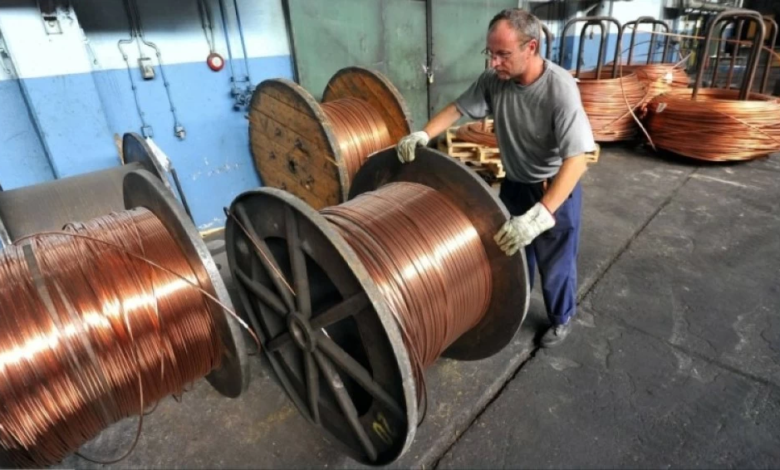

Many major cities in the United States and several European countries have witnessed an alarming surge in copper theft, a phenomenon now known in the media as the "cable wars." This significant increase coincides with the dramatic price hikes of the red metal in global markets, causing partial disruptions to vital services, including communication networks, public lighting systems, and even traffic lights, thus threatening public safety.
Economic motives behind the crisis
According to recent market data, copper prices have surged by more than 30% in the United States in recent months. Economic analysts attribute this rise to several key factors, most notably the global shift towards clean energy, as copper is a crucial component in the electric vehicle industry and renewable energy power plants. Additionally, the massive expansion of data centers dedicated to artificial intelligence has contributed to increased demand, coinciding with geopolitical concerns about the potential imposition of new tariffs that could disrupt supply chains.
The black market and weak oversight
Utility and telecommunications companies have confirmed that soaring prices have turned copper into "new gold" on the black market, tempting theft gangs to target both overhead and buried cables. The thefts often occur in minutes, with thieves cutting the cables and burning the plastic insulation to obtain "bare copper" that is difficult to trace, which they then sell to scrap metal dealers, some of whom lack rigorous mechanisms for verifying the metal's origin.
Serious repercussions for society
The damage wasn't limited to financial losses for telecommunications and electricity companies; it extended to frequent internet and telephone service outages, negatively impacting the operation of hospitals and emergency facilities in several areas. Furthermore, the theft of power lines from streetlights plunged entire neighborhoods into darkness, increasing crime rates and traffic accidents due to the disruption of traffic lights.
Alternative solutions and existing challenges
In an attempt to contain this phenomenon, global telecommunications companies have accelerated plans to replace traditional copper networks with fiber optics, which have no market value as scrap, making them less attractive to thieves. However, this process faces enormous logistical and financial challenges, given the high cost of laying new networks and the considerable time required to cover the millions of users who still rely on the old infrastructure.
Experts warn that if the price curve continues to rise without stricter legislative and security controls on the scrap metal and recycling trade, it could exacerbate the crisis and turn it into a permanent threat to national security and vital infrastructure.