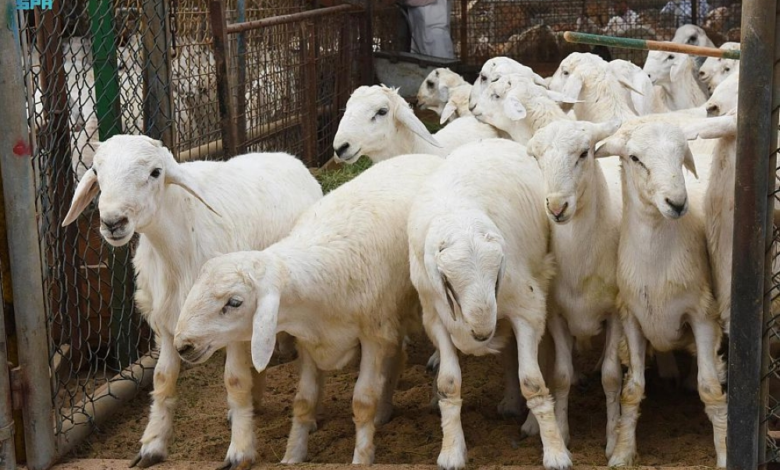

في خطوة استباقية تهدف إلى تنظيم موسم عيد الأضحى المبارك، دعت أمانة منطقة الرياض أصحاب المطابخ المرخصة إلى المبادرة بإصدار تصاريح ذبح الأضاحي إلكترونياً. تأتي هذه الخطوة ضمن مساعي الأمانة المستمرة لضمان تقديم خدمات بلدية عالية الجودة، والحد من الممارسات العشوائية التي قد ترافق هذا الموسم الديني الهام. وأكدت الأمانة على ضرورة الالتزام التام بالاشتراطات الصحية والبيئية لضمان سلامة المستفيدين وحماية الصحة العامة في العاصمة السعودية.
السياق التاريخي والتحول الرقمي في المملكة
تاريخياً، كان ذبح الأضاحي يتم في العديد من الأحياء بطرق تقليدية وعشوائية، مما كان يتسبب في تحديات بيئية وصحية كبيرة، مثل تراكم المخلفات وانتشار الروائح، فضلاً عن غياب الفحص الطبي للحيوانات. ومع التطور التقني والتنظيمي الذي تشهده المملكة العربية السعودية ضمن مستهدفات رؤية 2030، تحولت هذه العملية إلى منظومة رقمية متكاملة. اليوم، أصبح إصدار التصاريح يتم عبر منصات إلكترونية متطورة، مما يسهل على أصحاب المنشآت الإجراءات ويضمن في الوقت ذاته رقابة حكومية صارمة على كافة مراحل العمل.
أهمية الإشراف البيطري والاشتراطات الصحية
أوضحت أمانة الرياض أن المتطلبات التنظيمية والفنية للحصول على التصريح تشمل بشكل أساسي توفير إشراف بيطري مختص. يقوم الطبيب البيطري بدور حيوي يتمثل في فحص الأضاحي قبل الذبح للتأكد من خلوها من الأمراض المعدية أو العيوب الشرعية والصحية، ثم فحص اللحوم بعد الذبح لضمان صلاحيتها للاستهلاك الآدمي. كما تتضمن الإجراءات تجهيز مواقع الذبح وفق أعلى المعايير المعتمدة، وتطبيق آليات فعالة وآمنة للتخلص من المخلفات الحيوانية بطريقة سليمة تحافظ على النظافة العامة وتمنع التلوث البيئي.
التأثير المتوقع لتنظيم ذبح الأضاحي
على المستوى المحلي، ينعكس هذا التنظيم الدقيق إيجاباً على جودة الحياة في مدينة الرياض، حيث يضمن بيئة حضرية نظيفة وآمنة خالية من الملوثات البصرية والبيئية، ويحمي المستهلكين من الأمراض المشتركة بين الإنسان والحيوان. أما على الصعيد الإقليمي والدولي، فإن المملكة العربية السعودية تقدم نموذجاً يحتذى به في إدارة المواسم الدينية الضخمة. استخدام التكنولوجيا لتنظيم شعيرة الأضحية يعكس قدرة المملكة على دمج التقاليد الدينية مع أحدث الممارسات الإدارية والصحية العالمية، مما يجعل تجربتها مرجعاً للعديد من الدول الإسلامية الأخرى التي تسعى لتنظيم أسواق اللحوم والمسالخ خلال مواسم الأعياد.
دعوة للمبادرة والالتزام
وفي ختام بيانها، حثت الجهات الرسمية في أمانة الرياض جميع أصحاب المطابخ الراغبين في تقديم خدمة ذبح الأضاحي على استغلال الوقت والمبادرة بالتسجيل عبر المنصة الإلكترونية المخصصة لذلك. وأكدت الأمانة أنها ستواصل جهودها الرقابية والتنظيمية على مدار الساعة خلال موسم العيد، لضمان التزام الجميع بالمعايير المحددة، ورفع جودة الخدمات المقدمة لسكان وزوار العاصمة، مما يساهم في إخراج شعيرة العيد بأبهى صورة حضارية تليق بمكانة العاصمة.