Riyadh Consultative Council: The countries of the region will not compromise on protecting their resources

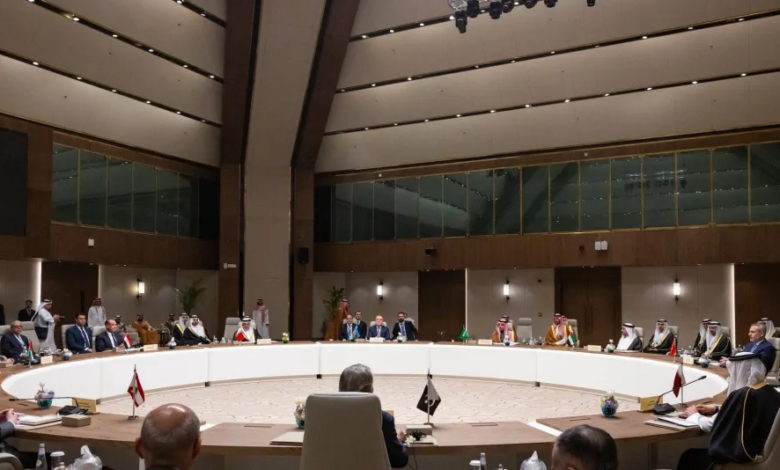
A significant consultative meeting was held in the Saudi capital, Riyadh, bringing together a number of leaders and representatives from countries in the region. The meeting concluded with a firm and clear message: the countries of the region will not stand idly by or remain passive in the face of any threats to their national and economic resources. This resolute stance comes amidst escalating regional tensions and security challenges that target the stability of the region, maritime security, and global energy supplies.
General context and historical background of the event
Historically, the Middle East, and the Arabian Gulf in particular, has been a vital artery of the global economy, with a significant portion of international oil supplies and trade passing through its waterways, such as the Strait of Hormuz and the Bab el-Mandeb Strait. In recent years, the region has witnessed sporadic incidents targeting energy and maritime infrastructure, such as sabotage attacks on oil facilities and commercial vessels. These events have prompted the countries of the region, led by Saudi Arabia, to strengthen their joint security and political coordination. The Riyadh Consultative Meeting is not a recent development, but rather an extension of a series of strategic summits and meetings aimed at forging a unified stance that rejects foreign interference and protects national sovereignty.
Local and regional impact of asset protection
At both the local and regional levels, this unified stance is of paramount importance. It sends a reassuring message to the people of the region that their leaders prioritize national security and the protection of developmental gains. It also strengthens the regional deterrent against any armed militias or external actors seeking to destabilize the region. Protecting national assets is not limited to the military sphere; it also encompasses cybersecurity, food security, and the protection of vital infrastructure upon which these countries' economies depend for their ambitious development plans, such as Saudi Vision 2030 and other Gulf and Arab visions.
International importance and stability of the global economy
Internationally, this position resonates widely with major world powers. The stability of the Gulf region and the Middle East is a paramount international interest. Any threat to the resources of these countries directly impacts global energy markets, potentially leading to sharp price fluctuations and negative effects on inflation and global economic growth. Therefore, the region's insistence on protecting its resources aligns with international efforts to ensure freedom of navigation and the stability of energy markets. The region's countries call upon the international community to shoulder its responsibilities and cooperate effectively to halt any threats or interventions that undermine international peace and security.
Summary of the regional situation
In conclusion, the Riyadh Consultative Meeting represents a significant turning point in the course of joint Arab and Gulf action, emphasizing that the language of dialogue and peace must be backed by a strong deterrent and a firm stance that protects achievements. The countries of the region, with their political and economic weight, are capable of defending their interests and will not allow any party to compromise their security or threaten the future of their generations and their vital resources.