The National Center for Palms and Dates announced record-breaking figures coinciding with the start of Ramadan, reflecting the strength of agricultural production in the Riyadh region, with annual production reaching approximately 457,000 tons. This announcement underscores the pivotal role played by the capital and its governorates in bolstering the Kingdom of Saudi Arabia's food security system and ensuring the availability of this essential food item for millions of fasting Muslims daily, at high quality and competitive prices.
Dates: A symbol of generosity and a cornerstone of the Ramadan table
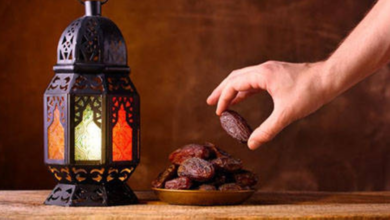
Dates reign supreme on Ramadan tables, not only as a cherished social custom but also for their indispensable nutritional and health value. From a religious perspective, those fasting are keen to follow the Sunnah (Prophetic tradition) by beginning their iftar (breaking of the fast) with fresh or dried dates. From a health perspective, dates are an ideal source of the immediate energy the body needs after long hours of fasting, thanks to their richness in easily absorbed natural sugars. They also contain high levels of fiber and minerals such as potassium and magnesium, which help prepare the stomach to receive food and regulate blood sugar levels effectively.
Riyadh: Agricultural and economic weight supporting Vision 2030
Date production in Riyadh is no longer merely a traditional agricultural activity; it has transformed into a strategic industry that bolsters the national economy. These impressive figures align with the objectives of Saudi Vision 2030, which aims to enhance non-oil exports, as the Kingdom is one of the world's largest date exporters. This sector contributes to creating diverse job opportunities, supporting the GDP, and achieving self-sufficiency that reduces reliance on imports, thus solidifying the Kingdom's position as a regional and international agricultural powerhouse.
These figures reflect the scale of production and the diversity of varieties
Official statistics reveal a massive agricultural infrastructure in the Riyadh region, which boasts over eight million productive date palms spread across more than 21,000 farms adhering to the highest agricultural quality standards. This agricultural development is not limited to the plantations themselves; it is accompanied by an industrial boom, with over 60 factories specializing in the packaging, processing, and manufacturing of date-based products.
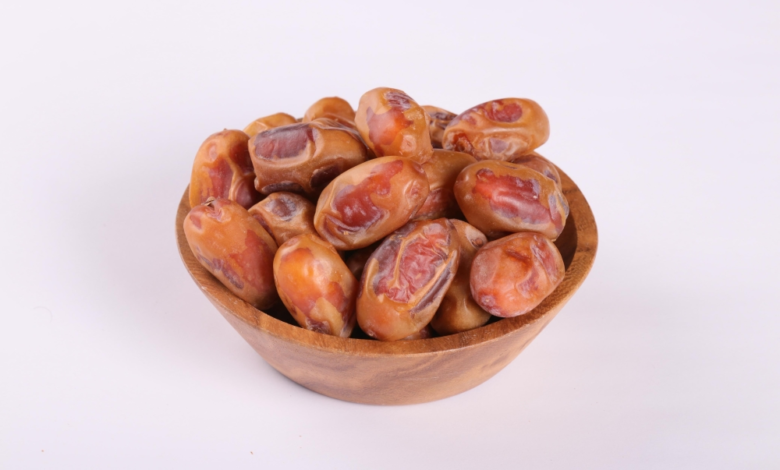
Riyadh dates are distinguished by their unique diversity that caters to all tastes, with the region producing 49 commercial varieties, the most prominent of which are:
- Al-Khadari: known for its high nutritional value and ability to last for long periods.
- Al-Saqai: which is distinguished by its shape, its interwoven color, and its mild taste.
- Al-Khalas: The king of dates and the most popular in the Arabian Gulf.
- Barhi: Preferred to eat fresh (dates) or dried dates.
This integration of intensive agriculture and modern manufacturing ensures the sustainability of food supplies throughout the year, and makes Riyadh a model to be emulated in successful agricultural investment.