The United Nations adopts a resolution to support Ukraine, while Washington abstains

In a significant diplomatic development coinciding with the fourth anniversary of the Russian invasion, the United Nations General Assembly a new resolution on Tuesday reaffirming its unwavering support for Ukraine's sovereignty and territorial integrity. The resolution garnered overwhelming support, with 107 votes in favor, 12 against, and 51 abstentions. Among the most notable abstentions was that of the United States, Kyiv's strategic ally, a move that has raised numerous questions about the current diplomatic dynamics.
Details of the UN resolution and the position of the countries
The adopted resolution stipulated the need to respect Ukraine's sovereignty, independence, and territorial integrity within its internationally recognized borders. It also renewed the call for an immediate, complete, and unconditional ceasefire between Russia and Ukraine, and for working towards a comprehensive, just, and lasting peace in accordance with the principles of international law, as well as demanding the exchange of all prisoners of war between the two sides.
Despite the majority in favor, the United States' abstention was a pivotal moment in the session. This American stance followed the rejection of Washington's request for a separate vote on specific clauses concerning Ukraine's territorial integrity and international law, which US diplomats considered an obstacle to potential negotiation avenues.
Why did Washington abstain from voting?
The US Deputy Ambassador, Tammy Bruce, explained the rationale behind this stance, saying, "The United States, of course, welcomes the call for an immediate ceasefire, but this resolution also includes language that could distract from the ongoing negotiations rather than supporting all diplomatic avenues that could pave the way for a lasting peace." This statement indicates Washington's desire to leave the door open for the diplomatic flexibility that negotiations to end the war might require, rather than adhering to language that Moscow might consider impossible preconditions.
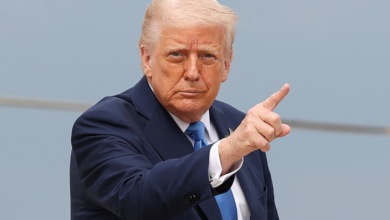
In contrast, the leaders of the G7 countries, including US President Donald Trump, affirmed in a separate statement on Tuesday their "unwavering support for Ukraine in defending its territorial integrity and right to exist," confirming that abstaining from the vote was a procedural matter related to the wording of the resolution and not a withdrawal of strategic support.
Historical context and the Security Council's failure
This decision comes amid the continued paralysis of the UN Security Council , the UN's executive body, due to Russia's repeated use of its veto against any draft resolution condemning its invasion of Ukraine. This deadlock has prompted the international community to turn to the General Assembly, where no country has veto power, to demonstrate Moscow's international isolation and reaffirm the fundamental principles of the UN Charter.
Last year witnessed shifts in diplomatic positions. A month after Trump's return to the White House, the United States voted against a resolution calling for a "just peace," and then, with Russian support, passed a Security Council resolution calling for a swift peace without explicitly mentioning the territorial integrity of Ukraine, which at the time angered European allies.
Russian and Ukrainian reactions
The exchange of statements at the United Nations reflected the deep divide between the two sides. Ukrainian Deputy Foreign Minister Mariana Betsa stated, "Despite the peace efforts led by the United States and supported by Europe, Russia continues to show no real will to stop this aggression.".
For her part, the Russian Deputy Ambassador, Anna Yevstigneeva, responded by blaming Kyiv for the continuation of the conflict, saying: "If the Kyiv regime truly wanted lasting peace, it would have focused its efforts on security guarantees for both Ukraine and Russia, not on another politically motivated vote.".
This decision remains symbolic in its legal nature, but it carries political and moral weight, reflecting the continued international division over mechanisms to end the war, which has entered its fifth year, amid complex diplomatic attempts to balance international principles with the reality on the ground.