
استعدادات مكثفة لاستقبال موسم عيد الأضحى
في خطوة استباقية تهدف إلى ضمان تقديم أفضل الخدمات للمواطنين والمقيمين، أعلن فرع وزارة البيئة والمياه والزراعة بمنطقة الرياض (بيئة الرياض) عن اكتمال جاهزيته التشغيلية والرقابية لاستقبال موسم عيد الأضحى المبارك لعام 1447هـ. تأتي هذه الاستعدادات ضمن خطة ميدانية وتنظيمية شاملة ومدروسة، تسعى إلى رفع كفاءة الخدمات المقدمة في أسواق النفع العام والمسالخ، وتلبية الاحتياجات المتزايدة خلال هذه الفترة الهامة من العام.
السياق العام والتطور التاريخي للخدمات البيئية
تاريخياً، تولي المملكة العربية السعودية اهتماماً بالغاً بموسمي الحج وعيد الأضحى، حيث تتضافر جهود كافة القطاعات الحكومية لضمان راحة وسلامة المستفيدين. وفي السنوات الأخيرة، ومع انطلاق مستهدفات رؤية السعودية 2030، شهدت قطاعات البيئة والزراعة تحولات جذرية تهدف إلى تحسين جودة الحياة وتعزيز الأمن الغذائي. لقد انتقلت إدارة أسواق المواشي والمسالخ من الأساليب التقليدية إلى منظومة عمل مؤسسية تعتمد على أعلى المعايير الصحية والتقنية، مما ساهم في الحد بشكل كبير من الظواهر السلبية مثل الذبح العشوائي في الشوارع والأحياء، والذي كان يشكل تحدياً بيئياً وصحياً في العقود الماضية.
تفاصيل الخطة التشغيلية لفرع بيئة الرياض
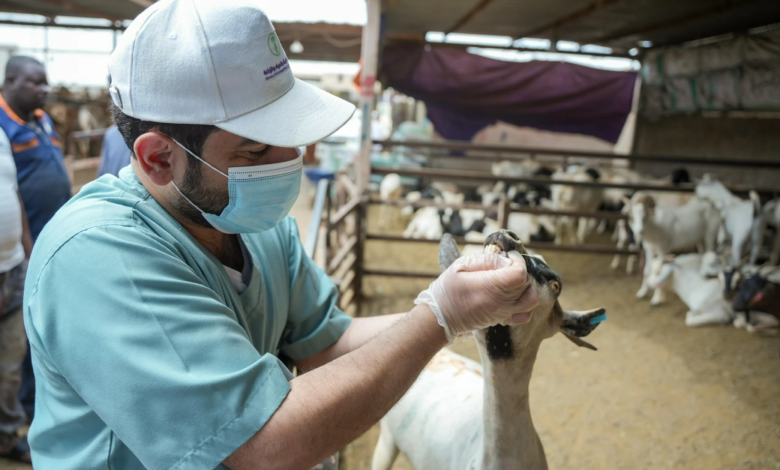
أوضح فرع الوزارة أن الخطة التشغيلية لهذا العام تتضمن تجهيز وتشغيل 37 سوقاً للمواشي ونقاط البيع المعتمدة، من ضمنها 4 مواقع مؤقتة تم استحداثها داخل مدينة الرياض لتخفيف الازدحام وتسهيل وصول المستفيدين. وإلى جانب ذلك، تم تجهيز 64 مسلخاً، تنقسم إلى 60 مسلخاً ثابتاً و4 مسالخ متنقلة. وقد تم دعم هذه المواقع بكوادر بيطرية وفنية متخصصة، بالإضافة إلى فرق رقابية تعمل على مدار الساعة لتهيئة البنية التشغيلية وضمان انسيابية الحركة، خاصة مع التوقعات التي تشير إلى تجاوز عدد الأضاحي حاجز الـ 120 ألف أضحية في منطقة الرياض وحدها خلال أيام العيد.
الرقابة الصحية الصارمة ومنع المخالفات
ترتكز خطة بيئة الرياض بشكل أساسي على تكثيف الجولات الرقابية الميدانية. وتهدف هذه الجولات إلى رصد أي مخالفات قد تؤثر على الصحة العامة، والتأكد التام من سلامة الأضاحي قبل وبعد الذبح. يتم إجراء فحوصات بيطرية دقيقة لضمان خلو اللحوم من الأمراض، مع التعامل الفوري مع الحالات غير المطابقة للاشتراطات وإتلافها وفق الأنظمة المعتمدة. كما تولي الوزارة اهتماماً كبيراً بمنع ظاهرة الذبح العشوائي خارج المسالخ النظامية، ومتابعة التزام المنشآت بتطبيق اشتراطات الرفق بالحيوان. ولا تقتصر الرقابة على اللحوم، بل تمتد لتشمل أسواق الخضار والفواكه لمنع دخول المنتجات مجهولة المصدر، والتحقق من البطاقات التعريفية، وسحب عينات عشوائية لفحص متبقيات المبيدات.
الأهمية والتأثير المحلي والإقليمي
تحمل هذه الاستعدادات أهمية كبرى على المستوى المحلي، حيث تضمن حماية الصحة العامة لسكان العاصمة والمحافظات التابعة لها، وتحافظ على المظهر الحضاري للمدينة من خلال منع التلوث البيئي الناتج عن المخلفات الحيوانية. أما على المستوى الوطني والإقليمي، فإن التنظيم العالي الذي تشهده منطقة الرياض يمثل نموذجاً يحتذى به في إدارة الحشود والمواسم الدينية، ويعكس قدرة الأجهزة الحكومية السعودية على التعامل مع الطلب الاستهلاكي الضخم بكفاءة واقتدار، مما يعزز من موثوقية الرقابة الغذائية في المملكة.
التنسيق المشترك ودور المجتمع
لضمان نجاح هذه الخطة المتكاملة، تم رفع جاهزية غرف العمليات واستقبال البلاغات، مع تعزيز التنسيق المشترك مع الجهات الحكومية ذات العلاقة لتنظيم الحشود وتسهيل الحركة المرورية ورفع معايير السلامة. وتؤكد وزارة البيئة والمياه والزراعة أن وعي المجتمع يمثل حجر الزاوية في إنجاح هذه الجهود، داعية جميع المواطنين والمقيمين إلى التعاون والإبلاغ عن أي مخالفات عبر القنوات الرسمية، لضمان قضاء موسم عيد أضحى آمن وصحي للجميع، وبما يحقق أهداف التنمية المستدامة وجودة الحياة.