
An unprecedented crisis threatens the European aviation sector
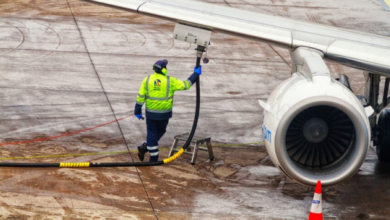
Europe faces an unprecedented challenge that threatens to paralyze air traffic, as the head of the International Energy Agency announced that remaining jet fuel reserves in Europe may only last for about six weeks. These statements coincide with stark warnings of potential flight cancellations in the near future if swift solutions are not found to ensure continued supplies and avert a severe energy crisis.
The repercussions of closing the Strait of Hormuz on supply chains
The primary cause of this crisis is the disruption of maritime traffic and the closure of the Strait of Hormuz, one of the world's most strategically important waterways. In this context, Airports Council International (ACI) Europe warned that the continent could face a substantial and widespread shortage of jet fuel within just three weeks unless the movement of ships and oil tankers through the strait is restored to a stable and efficient state. Historically, approximately one-fifth of the world's oil consumption passes through the Strait of Hormuz, and Europe is increasingly reliant on supplies from the Middle East and Asia via this waterway, particularly after reducing its dependence on Russian energy sources and refined products following the Russia-Ukraine War. This has made the continent more vulnerable to supply chain shocks originating from the East.
European Commission moves and airport demands
In an attempt to contain the escalating situation, the European Commission announced plans to propose a package of emergency measures on April 22, aimed at mitigating the impact of geopolitical tensions and wars on energy markets. However, the Commission has not yet confirmed whether this package will include specific and direct measures to address the jet fuel crisis. Meanwhile, the Airports Council International (ACI), which represents nearly 600 airports in approximately 50 countries, sent an urgent letter to Brussels, as revealed by the Financial Times. The ACI called for immediate and close monitoring of jet fuel availability and supplies over the next six months, given the sharp rise in prices.
Expected economic and environmental impacts
The repercussions of this crisis extend beyond the postponement or cancellation of domestic flights. They also include a significant increase in ticket prices and air freight costs, negatively impacting vital sectors such as tourism and international trade. Furthermore, when airlines face fuel shortages at a particular destination, they often resort to a practice known as "tankering," where aircraft carry additional fuel from departure airports outside Europe. This practice increases the aircraft's weight, leading to higher fuel consumption and increased carbon emissions, which undermines sustainability efforts and the European Union's environmental goals. Regionally and internationally, supply shortages in Europe will increase demand in alternative markets, potentially driving up global jet fuel prices and impacting profit margins for airlines across all continents.