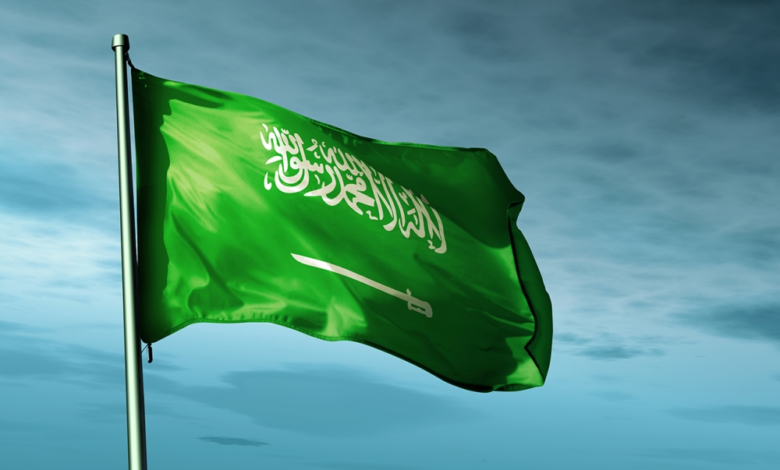

Riyadh, the capital of diplomatic decision-making and peacemaking
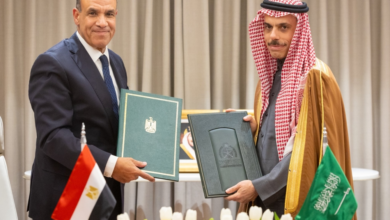
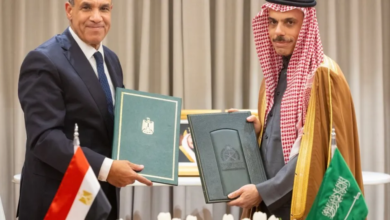
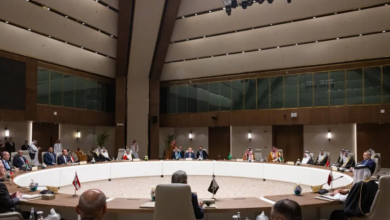
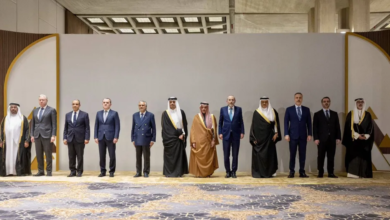
The eyes of the Arab and Islamic world, as well as the international community, are focused this Wednesday evening on the Saudi capital, Riyadh, as the Kingdom hosts a consultative ministerial meeting of foreign ministers from a number of Arab and Islamic countries. This important diplomatic event, announced by the Saudi Ministry of Foreign Affairs, comes at a critical and sensitive time for the Middle East region, with the aim of strengthening consultation and joint coordination on ways to support the region's security and stability and address escalating challenges.
General context and historical role of the Kingdom
The Kingdom of Saudi Arabia has always played a pivotal and historic role in leading diplomatic efforts aimed at unifying the Arab and Islamic world. This hosting of the summit is an extension of a series of initiatives and summits hosted by Riyadh, most notably the extraordinary joint Arab-Islamic summit convened to discuss the situation in the Gaza Strip and its humanitarian and political repercussions. Saudi diplomacy consistently places the issues of the Arab and Islamic nations at the forefront of its priorities and strives to find peaceful and sustainable solutions to the conflicts plaguing the region, drawing on its spiritual, political, and economic standing as a leader of the Islamic world and a prominent member of the G20.
The importance of the event and its regional and international impact
Regionally, this consultative meeting is of paramount importance given the complex geopolitical circumstances in the region, ranging from the ongoing humanitarian crisis in the Palestinian territories and the tensions in the Red Sea and their impact on international navigation, to the multiple crises in neighboring countries. The ministers gathered aim to formulate a unified and robust Arab and Islamic position that will contribute to de-escalation and prevent the region from sliding into wider conflicts that could threaten regional peace and security.
On the international level, the outcomes of this meeting will send a clear message to the international community and the UN Security Council, emphasizing the need for global powers to uphold their legal and moral responsibilities in maintaining international peace and security, and to intervene effectively to stop the bloodshed and facilitate the delivery of humanitarian aid. The meeting also reflects the ability of Arab and Islamic states to formulate their own initiatives to resolve the region's crises, thus strengthening the independence of regional political decision-making.
Promoting stability for development
Domestically, this hosting underscores the success of Saudi diplomacy in consolidating Riyadh's position as a global political powerhouse. The Kingdom, in line with the objectives of Vision 2030, recognizes that sustainable development and economic prosperity cannot be achieved in isolation from a secure and stable regional environment. Therefore, the efforts exerted at this ministerial meeting ultimately serve the interests of all the region's peoples and pave the way for a future characterized by cooperation and integration rather than conflict and division. The meeting is expected to produce ongoing coordination mechanisms to ensure the implementation of the agreed-upon shared visions, thereby guaranteeing the region's stability and prosperity.