
الرياض عاصمة للابتكار الصحي: ندوة دولية ترسم ملامح مستقبل القطاع
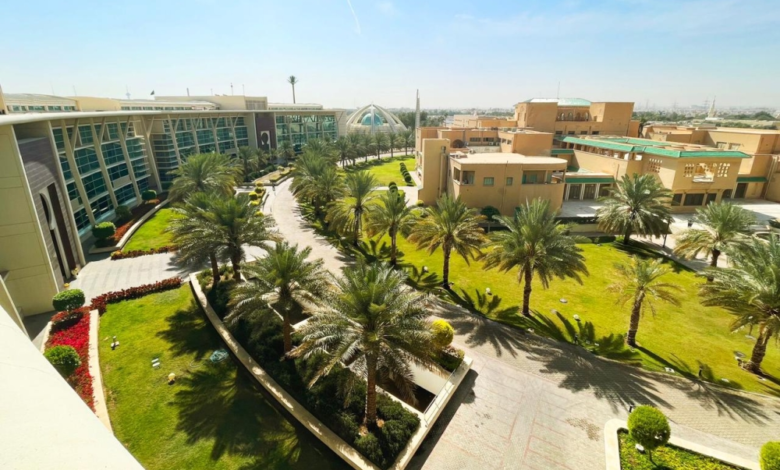
تستعد العاصمة السعودية الرياض لاحتضان حدث علمي بارز، حيث تنظم جامعة الفيصل، ممثلة بكلية الطب ومركز اقتصاديات الصحة وبرنامج ماجستير اقتصاديات الصحة، ندوة بحثية متخصصة يوم السبت الموافق للتاسع من مايو 2026. تحمل الندوة عنوان “تعزيز الصحة العامة واقتصاديات الصحة في المملكة العربية السعودية”، وتأتي كمنصة حيوية تجمع نخبة من الخبراء والأكاديميين وصناع القرار المحليين والدوليين، بهدف استشراف مستقبل القطاع الصحي ودعم مسيرة التحول الصحي الطموحة التي تتبناها المملكة.
سياق استراتيجي: التحول الصحي في إطار رؤية المملكة 2030
لا تأتي هذه الندوة في فراغ، بل تنعقد في قلب مرحلة تاريخية يشهدها القطاع الصحي السعودي، وهي مرحلة التحول الشامل المنبثقة من “رؤية المملكة 2030”. يهدف برنامج تحول القطاع الصحي، أحد برامج الرؤية الرئيسية، إلى إعادة هيكلة المنظومة الصحية لتكون أكثر كفاءة واستدامة. يرتكز هذا التحول على مبادئ أساسية مثل تعزيز الصحة العامة والوقاية من الأمراض، وتطبيق نماذج تمويل ورعاية مبتكرة، ورفع جودة الخدمات المقدمة، والانتقال نحو مفهوم “الرعاية القائمة على القيمة” بدلاً من التركيز على كمية الخدمات فقط. ومن هنا، تكتسب مناقشة “الإنفاق الصحي الذكي” أهمية قصوى، كونه الأداة الرئيسية لضمان تحقيق أقصى استفادة من الموارد المتاحة وتحسين النتائج الصحية للمجتمع بأسره.
محاور رئيسية ونقاشات معمقة
تركز أجندة الندوة على مجموعة من المحاور الاستراتيجية التي تشكل عصب النظام الصحي الحديث. تشمل هذه المحاور مفهوم “الصحة الحكيمة”، والسياسات والأنظمة الصحية الفعالة، ودور التحول الرقمي في تعزيز الرعاية الصحية، بالإضافة إلى قضايا العدالة الصحية والمحددات الاجتماعية للصحة. كما ستتطرق الجلسات إلى مواضيع بالغة الأهمية مثل الصحة البيئية وتأثيرات التغير المناخي، وتقييم التقنيات الصحية الحديثة لضمان تبني الحلول الأكثر فاعلية. ويشارك في إثراء هذه النقاشات متحدثون بارزون من بينهم أحمد الجديع، وصالح التميمي، ومحمد اللحيدان، ورشا الفوزان، إلى جانب خبراء دوليين مثل تريسي لين وجون ماكغي، مما يضمن تبادلاً معرفياً غنياً يجمع بين الخبرات المحلية والرؤى العالمية.
أهمية الحدث وتأثيره المتوقع
تتجاوز أهمية الندوة حدود القاعات الأكاديمية، حيث يُتوقع أن يكون لمخرجاتها تأثير ملموس على المستويات المحلية والإقليمية. فعلى الصعيد المحلي، ستساهم التوصيات والنقاشات في دعم صناع القرار لوضع سياسات صحية قائمة على الأدلة والبراهين، وتحسين كفاءة الإنفاق، وتعزيز ثقافة البحث العلمي في المؤسسات الصحية. أما إقليمياً، فتمثل هذه الفعالية تأكيداً على الدور الريادي للمملكة في مجال الابتكار الصحي، وتقدم نموذجاً يمكن للدول المجاورة الاستفادة منه في تطوير أنظمتها الصحية. كما أنها تعزز مكانة الرياض كمركز للمعرفة والبحث العلمي في المنطقة.
تمكين الكفاءات الشابة ودور الذكاء الاصطناعي
إيماناً بأهمية الجيل القادم من الخبراء، تولي الندوة اهتماماً خاصاً بتمكين الكفاءات الوطنية الشابة. يتجلى ذلك في تنظيم مسابقة بحثية مخصصة لعرض مشاريع طلبة الماجستير في الصحة العامة واقتصاديات الصحة، مما يشجع على الابتكار البحثي ويخلق جسراً بين الدراسة الأكاديمية والتطبيق العملي. كما يسلط البرنامج العلمي الضوء على أحدث التوجهات التقنية، من خلال جلسة متخصصة حول “العلاج الموجه بالذكاء الاصطناعي لمرضى السكري من النوع الثاني”، مما يعكس مدى تغلغل التقنيات المتقدمة في رسم مستقبل الرعاية الطبية. وبهذا، لا تقتصر الندوة على مناقشة الوضع الراهن، بل تساهم بفعالية في بناء مستقبل صحي أكثر إشراقاً وذكاءً واستدامة.