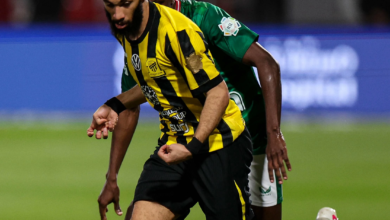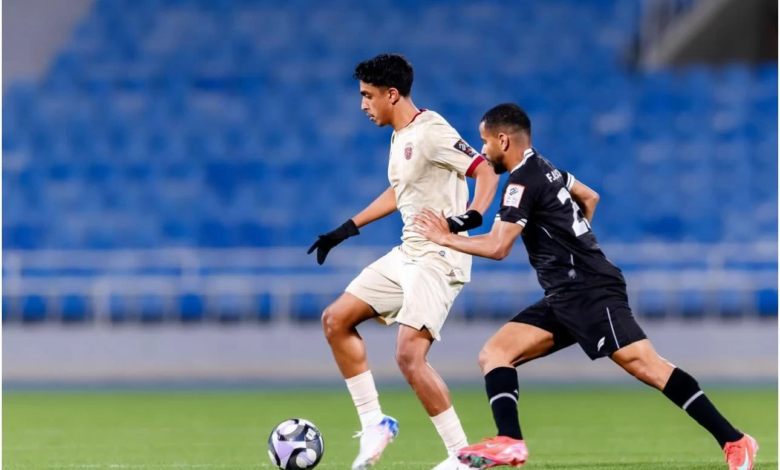

Al-Baraa Adawi's future in the balance of Saudi transfers
The Saudi sports scene is in a state of constant anticipation as the transfer window approaches, with clubs seeking to bolster their squads with the most prominent local talents. In this context, all eyes are on the gifted player Al-Baraa Adawi, who stands on the cusp of a crucial stage in his football career with Al-Fayha Club. Press reports, specifically from Okaz newspaper's sources, indicate that the next few days will be decisive in determining the player's future: whether he will stay and continue to make history with his current club, or embark on a new professional experience that fulfills his sporting and financial ambitions.
The available options: renewal or departure?
Al-Baraa Adawi has two main options on the table. The first is to renew his contract with Al-Fayha for another three years. This option would provide the player with both technical and psychological stability, especially after finding a fertile environment at Al-Fayha where he could secure a regular starting position and prove himself. The second option is to consider professional offers from three rival clubs. Sources confirm that the most prominent of these offers came from NEOM and Al-Taawoun. The NEOM and Al-Taawoun offers are clearly superior financially, in addition to the contractual benefits and duration, making the decision to stay or leave a significant challenge that requires careful consideration by the player and his agent before any official signing.
Al-Baraa Adawi's journey: From Al-Ittihad to shining with Al-Fayha
To understand the significance of this decision, one must consider the historical background of the player's career. Baraa Adawi began his football journey with Al-Ittihad, one of the most prestigious clubs in Saudi Arabia and Asia. His time at Al-Ittihad provided him with a solid foundation in football and accustomed him to the atmosphere of a major, popular club. He then made a shrewd strategic move to Al-Fayha in search of more playing time. Indeed, his time at Al-Fayha proved to be a pivotal turning point in his career. It was a crucial professional stepping stone, providing him with the opportunity to play regularly, which directly contributed to honing his talent and developing his technical and physical abilities for the future. Today, he is one of the most sought-after players in the transfer market.
The expected impact of the decision on the sports scene
Al-Baraa Adawi's decision carries implications that extend beyond his personal future. Locally, the competition to sign him reflects the strength of the Saudi league and the multitude of clubs capable of attracting talent. Al-Taawoun, known for its technical stability and strong performances, represents a significant step forward in any player's career. Meanwhile, NEOM stands out as a financial powerhouse and an ambitious sporting project aiming to build a formidable team capable of fierce competition. Adawi's choice of which of these destinations will impact the balance of power among the clubs vying to attract prominent local players.
Summary: The third professional station
In conclusion, Al-Baraa Adawi stands at a true crossroads, representing his third professional stint after Al-Ittihad and Al-Fayha. The choice between continuing with Al-Fayha, the club that nurtured and developed him, or moving to a new sporting project with Al-Taawoun or NEOM, will be determined by the player's ambitions and future goals. The coming days will reveal the final decision, which will undoubtedly be of great interest to fans and analysts in the Saudi sports scene.